A Day of Reflection on the Challenges of NCDs
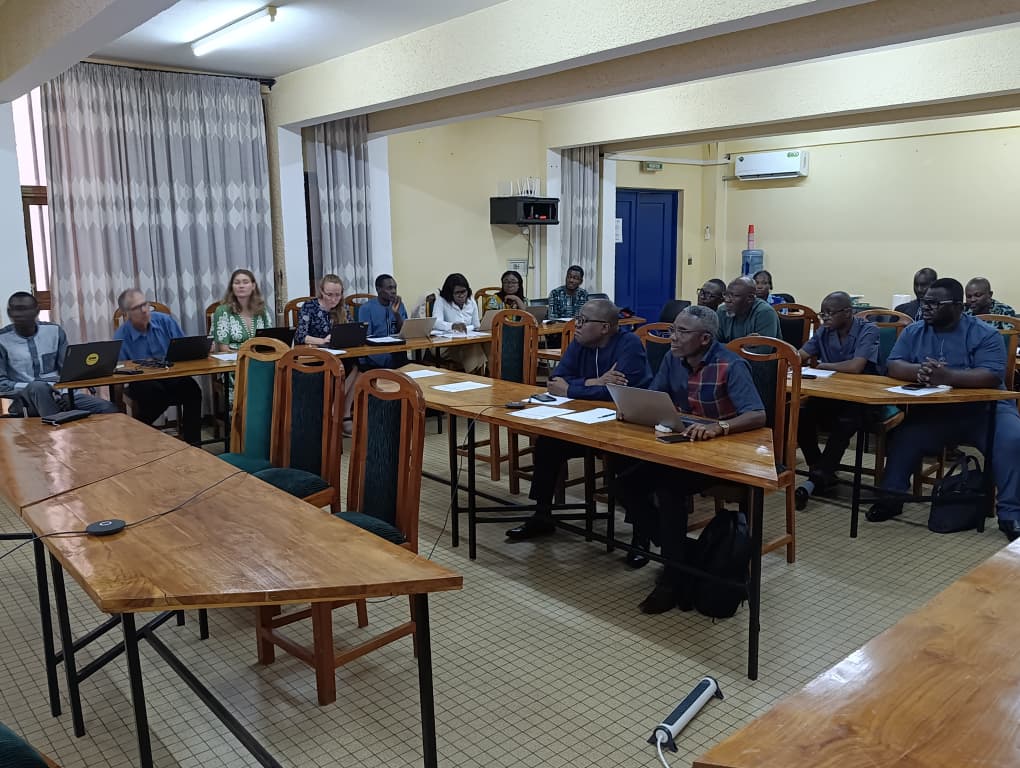
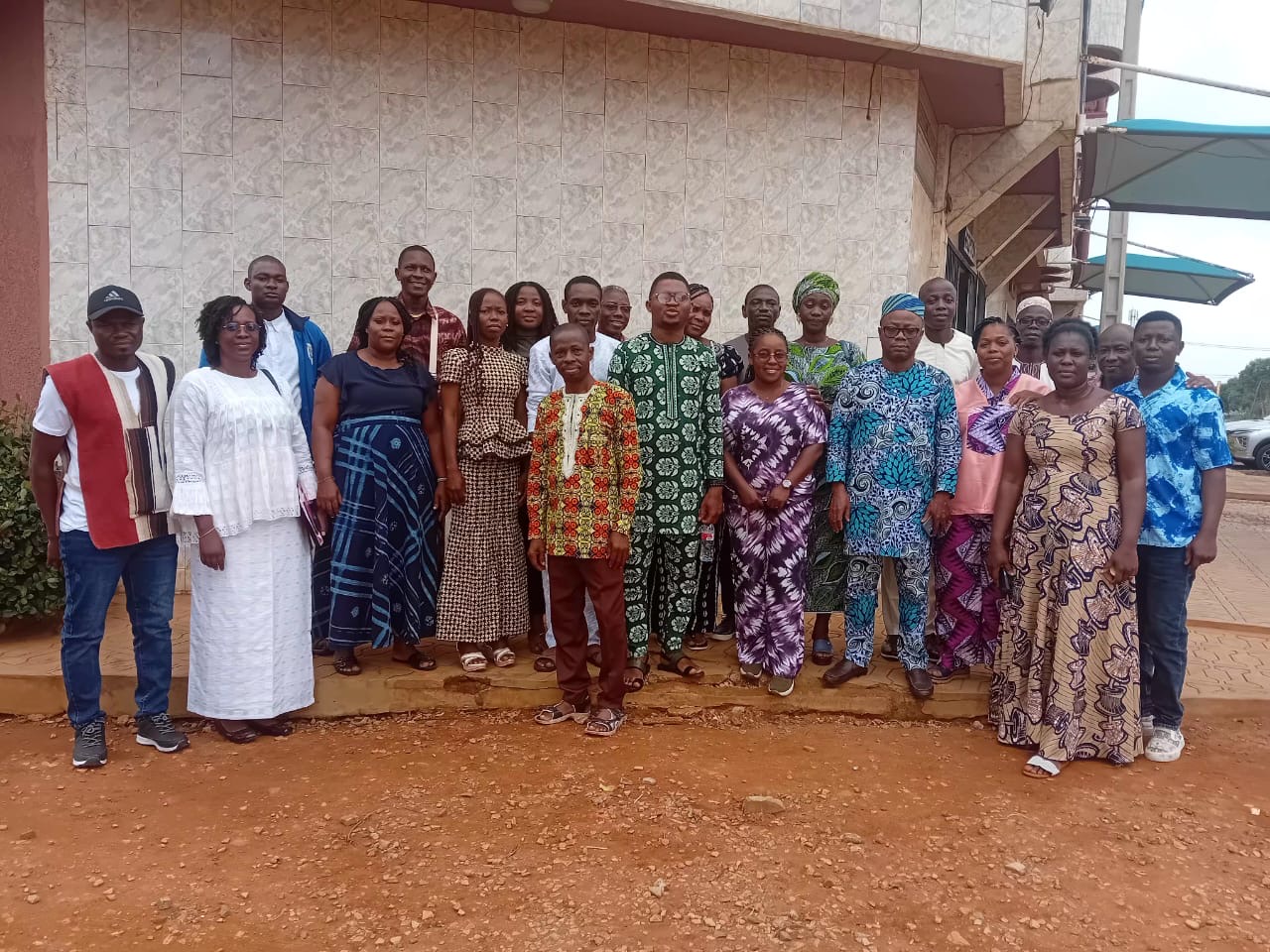
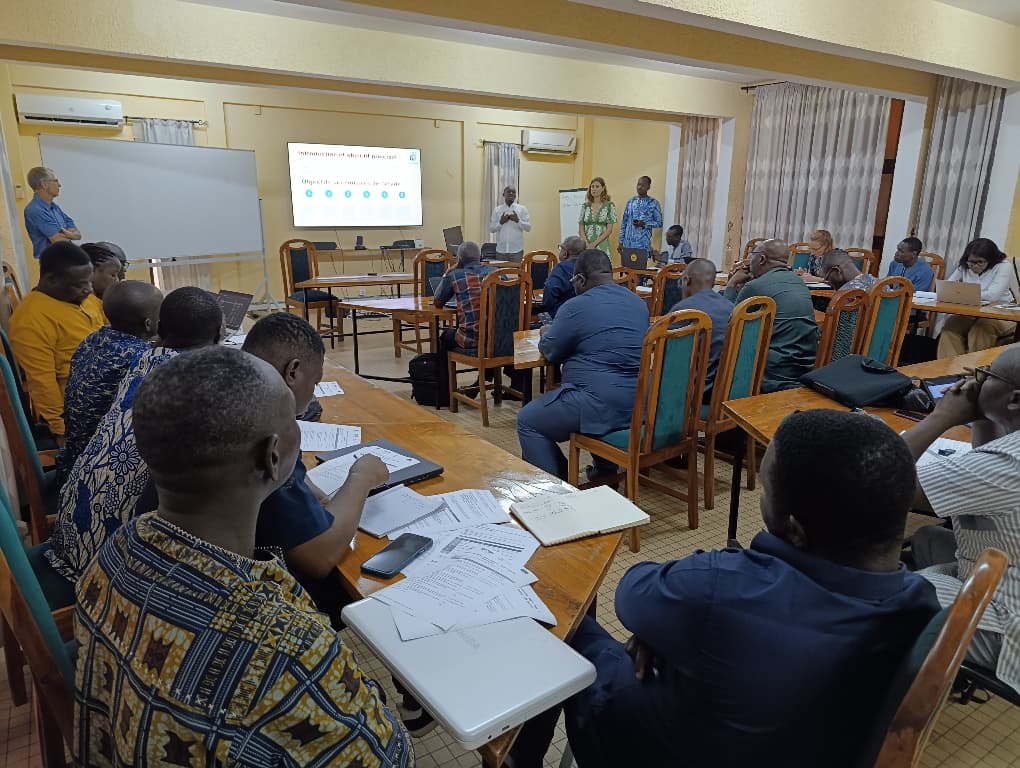
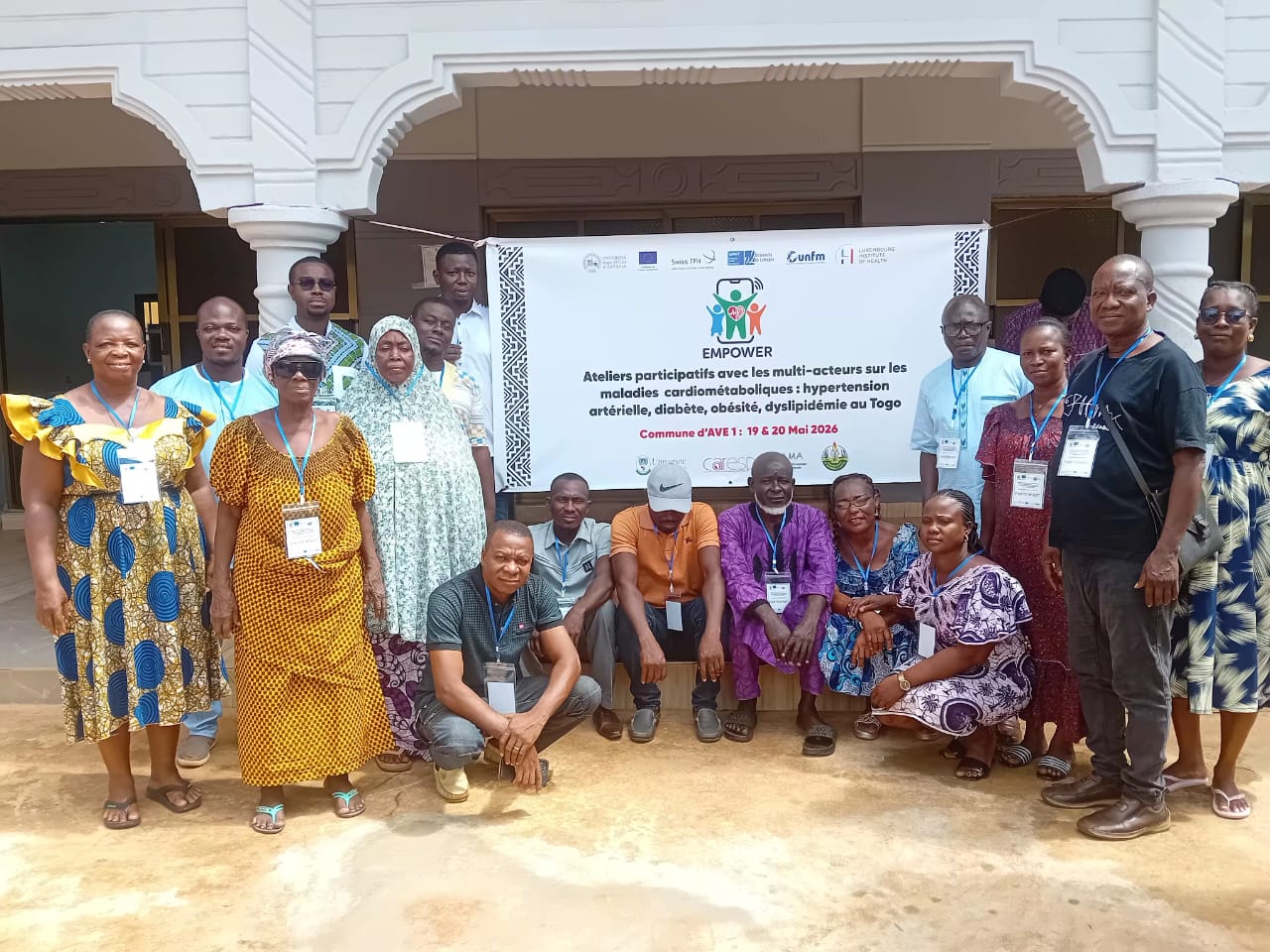
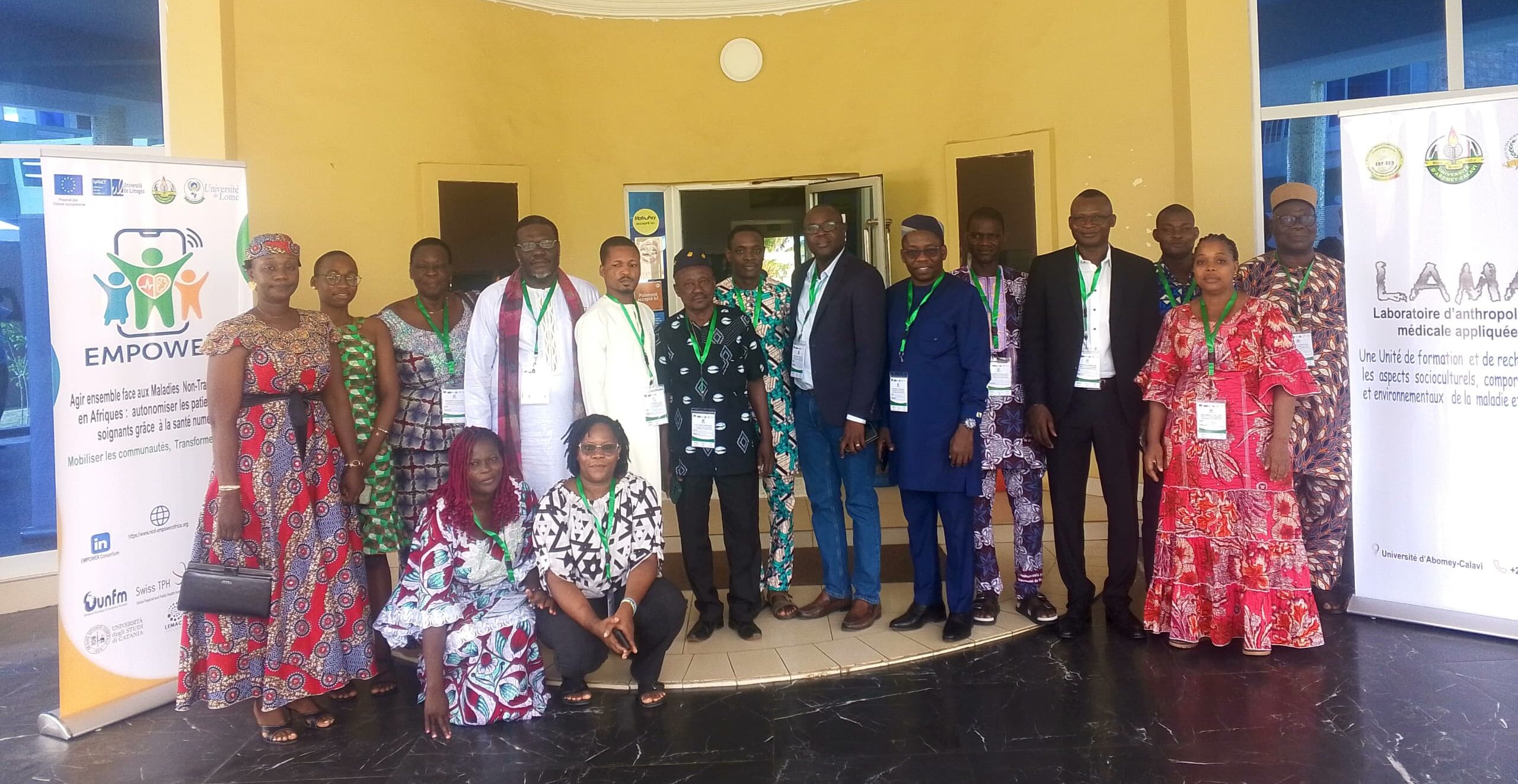
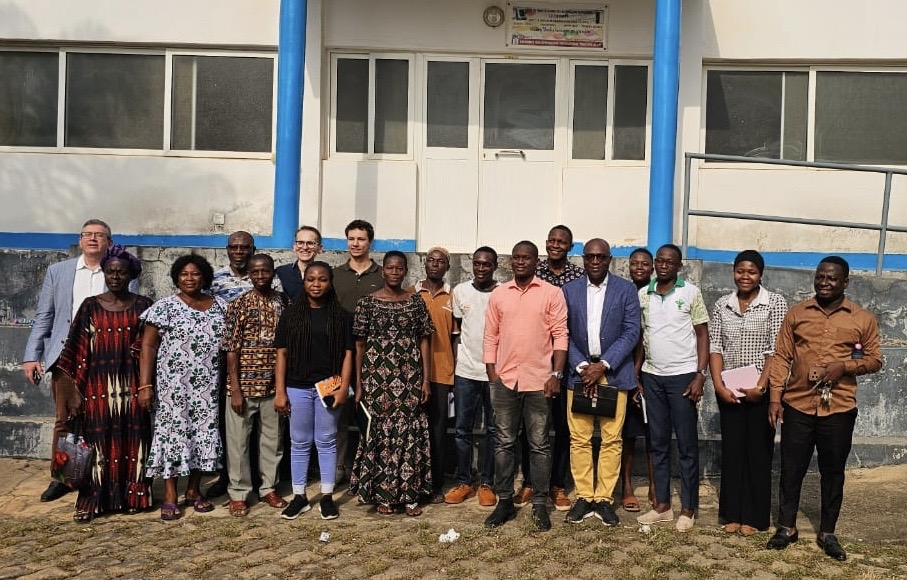
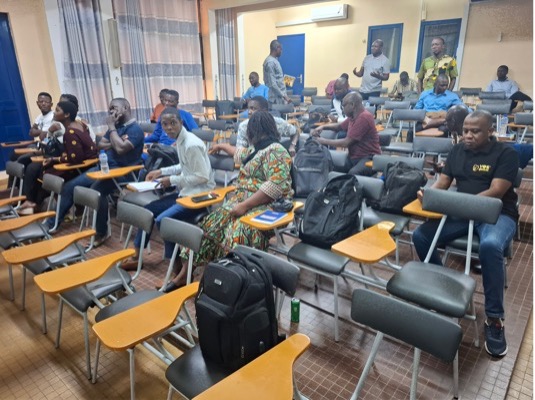
On 17 June 2026, the EMPOWER project brought together community representatives, people living with non-communicable diseases (NCDs), Community Health Workers (CHWs), healthcare professionals, health authorities, national programme representatives, and civil society organisations in Lomé to discuss the findings of the contextual analysis and their implications for the activities planned within the project.
Chaired by Prof Didier Ekouevi (University of Lomé), the meeting brought together stakeholders from different levels of the health system around a common objective: identifying the most appropriate solutions to strengthen NCD prevention and care in Togo.
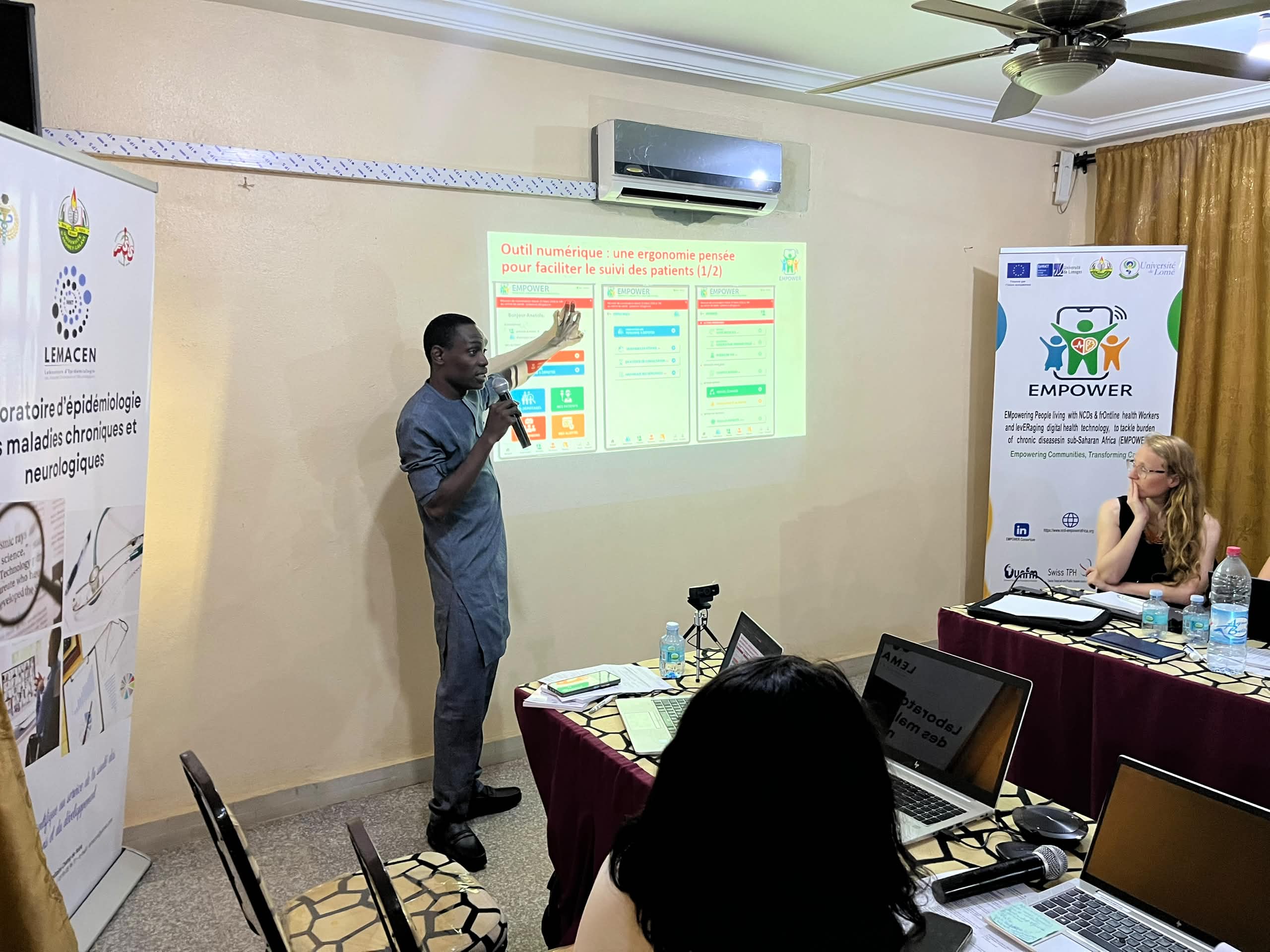
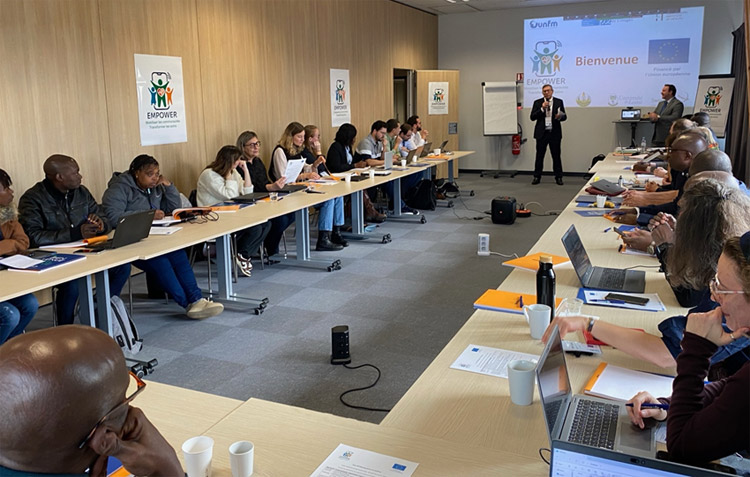
At the opening of the workshop, Prof Mofou Belo, Head of the National Programme for the Control of Non-Communicable Diseases, presented an overview of the growing burden of NCDs in Togo and highlighted the major challenges the country faces in responding to the increasing needs of the population. Throughout the day, the workshop was moderated by Dr Martin Tchankoni, EMPOWER Project Manager for Togo, with support from Dr Concheta Tchibozo (University of Limoges), the project’s Strategic Coordinator.
Evidence to Inform Decision-Making
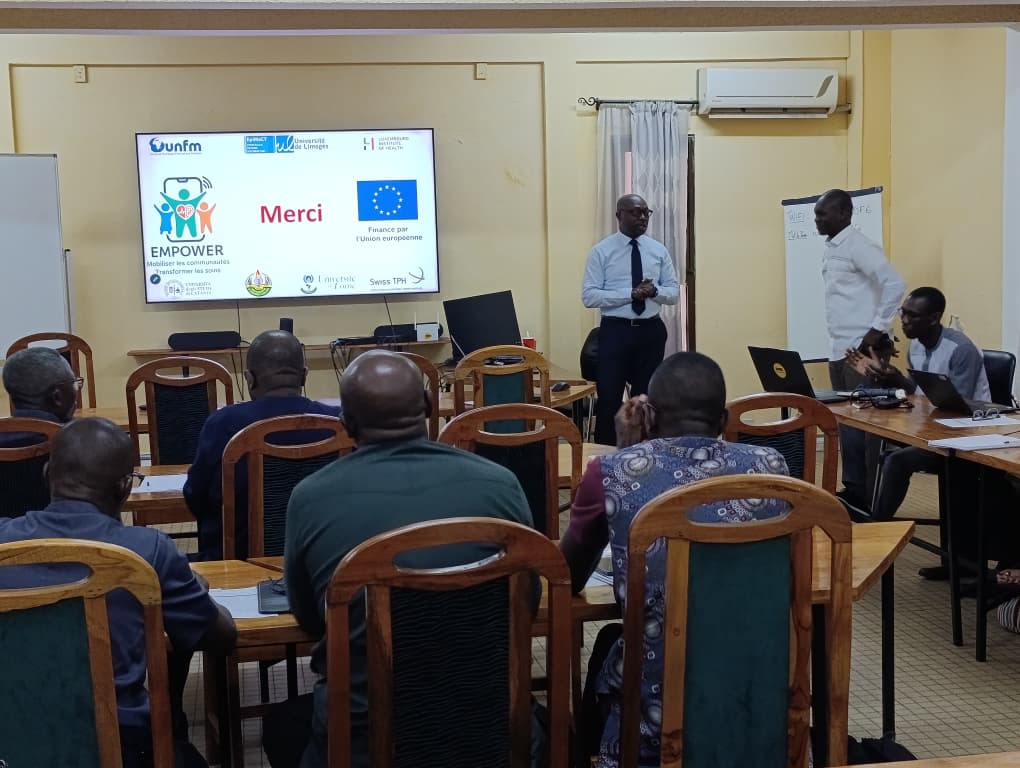
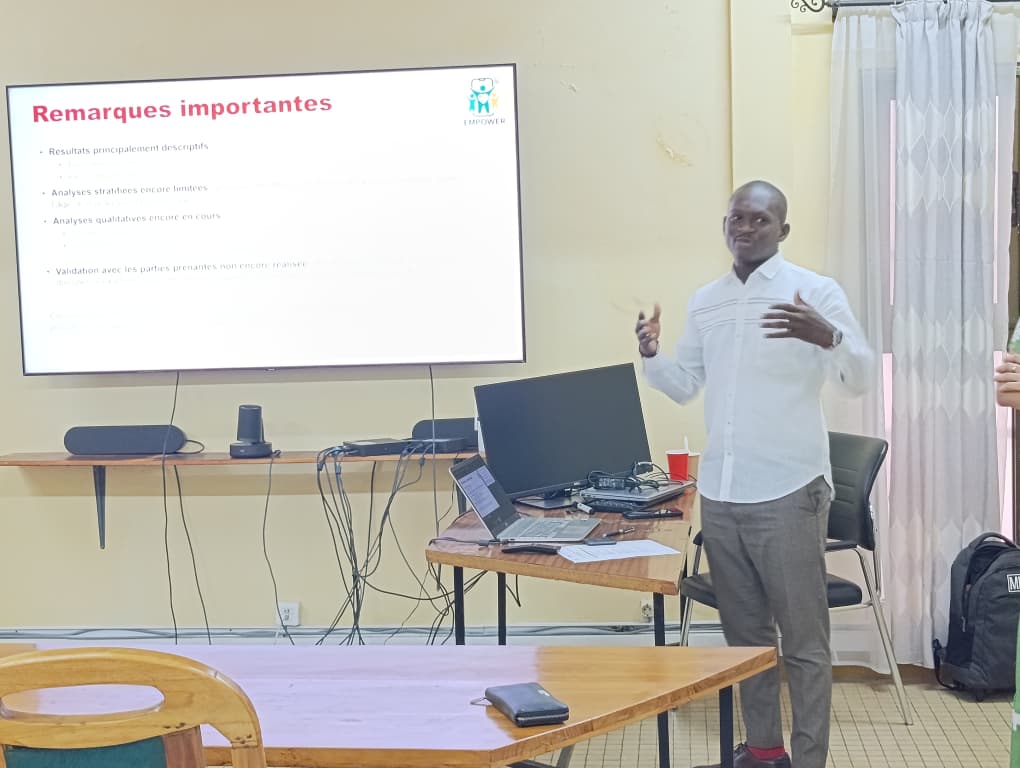
Discussions were informed by the preliminary findings of the contextual analysis conducted in Benin and Togo under the leadership of Prof Kaspar Wyss (Swiss TPH).
Presented by Prof Kaspar Wyss, Dr Hélène Langet and Ms Louise-Amélie Hantzsche, the findings shed light on the realities faced by people living with NCDs, the challenges encountered by healthcare professionals, and the opportunities offered by community-based approaches and digital technologies to strengthen primary healthcare services.
Beyond documenting the current situation, the discussions helped identify factors that may either facilitate or hinder the implementation of future interventions in the project areas.
What Solutions Can Strengthen NCD Care?
A substantial part of the workshop was devoted to reviewing the interventions proposed by EMPOWER to reduce gaps in screening, treatment, and follow-up for people living with one or more NCDs.
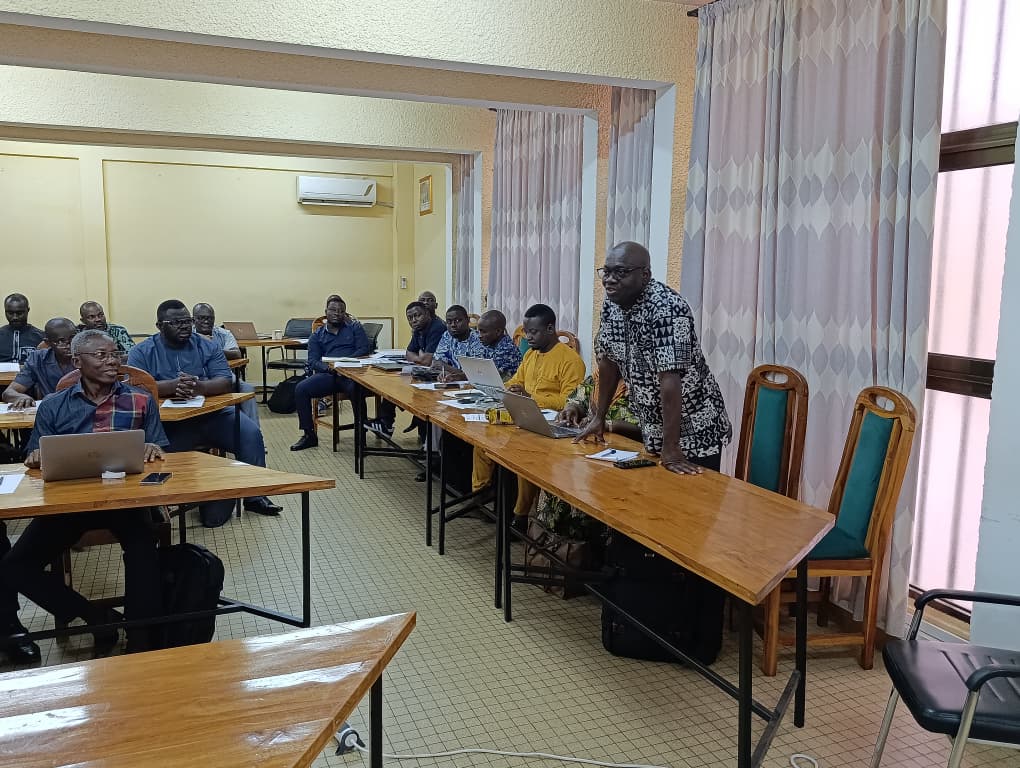
Participants discussed the potential role of Community Health Workers in supporting patients, mechanisms to strengthen links between communities and health facilities, and digital tools that could assist healthcare professionals while improving patient follow-up.
The exchanges generated a wide range of practical recommendations regarding implementation modalities, training needs, and the conditions required to ensure long-term ownership and sustainability of the interventions.
A Collective Momentum for Action
The Lomé workshop confirmed the strong interest of stakeholders in an approach that combines community health, digital innovation, and the strengthening of primary healthcare systems.
The recommendations formulated during the day will help refine the interventions that will gradually be deployed as part of the project. They also reflect the commitment of Togolese stakeholders to actively contribute to the development of locally adapted solutions that can sustainably improve the prevention and management of non-communicable diseases.