EMPOWER is a Horizon Europe project (2025–2029) implemented in Benin and Togo.
Non-communicable diseases (NCDs) are the leading cause of deaths and disability worldwide. In sub-Saharan Africa, over 80% of people with hypertension, diabetes, epilepsy or mental disorders are not treated.
EMPOWER aims to reduce treatment gaps for NCDs by empowering community health workers (CHWs) and patients through digital health tools and community-based strategies.
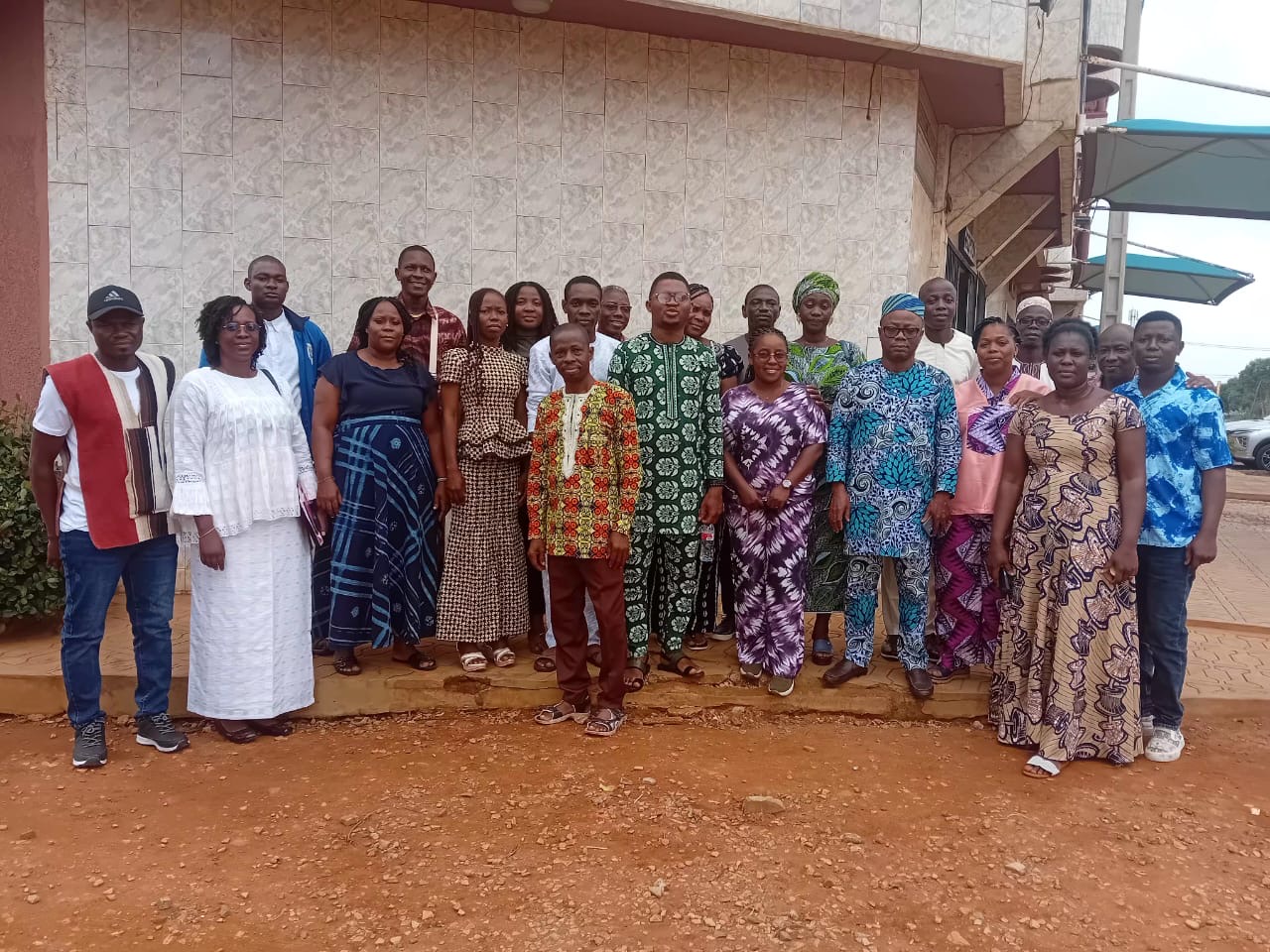
From 29 to 31 July 2026, the EMPOWER project partners and key stakeholders from Benin and Togo met in Bohicon, Benin, to validate the project's Social and Behaviour Change Communication (SBCC) strategy for the prevention, early detection and community-based management of non-communicable diseases (NCDs).
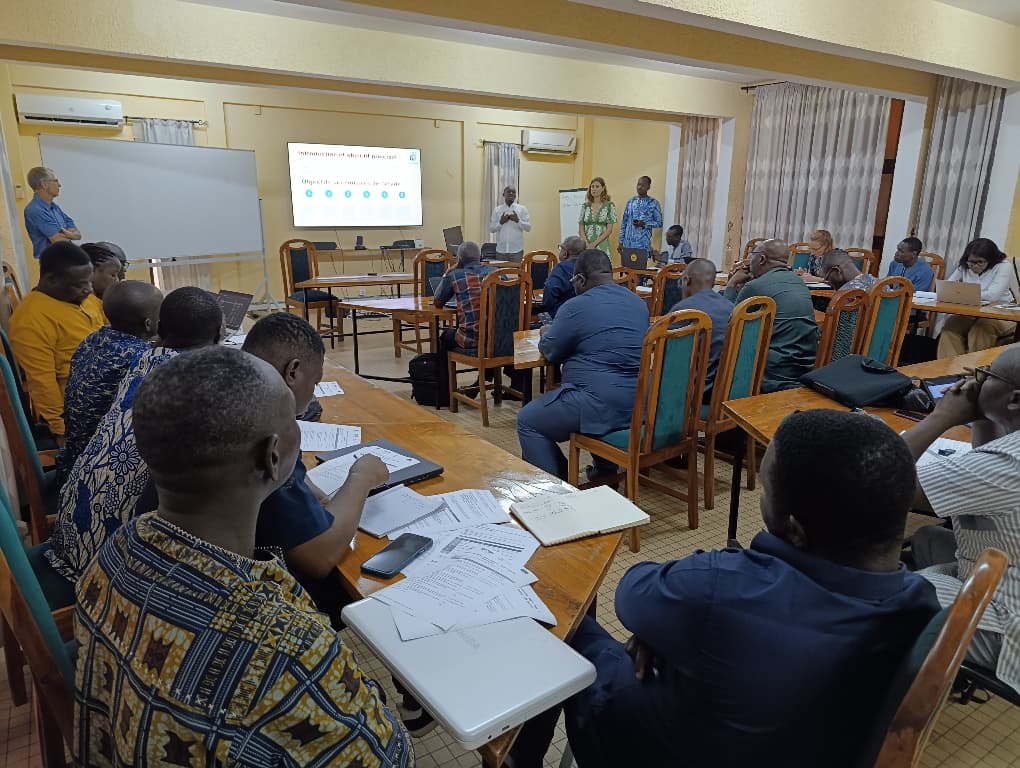
On 17 June 2026, the EMPOWER project brought together key stakeholders in Lomé to discuss the findings of the contextual analysis and their implications for the activities planned within the project.
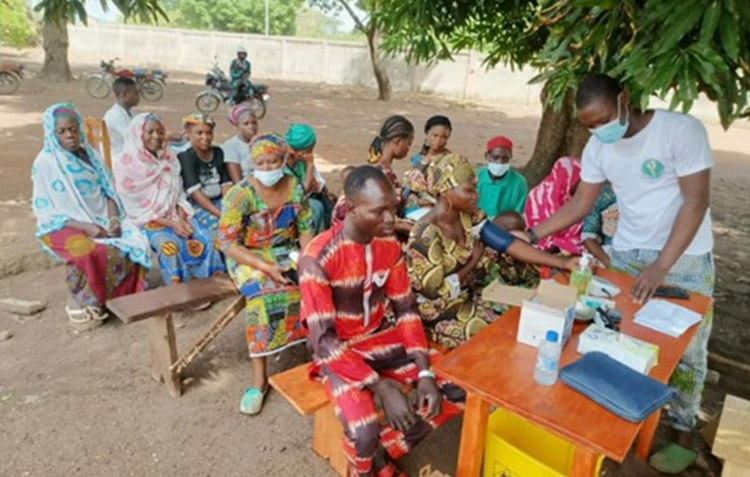
Section under development. Real experiences from community members and health workers will be shared as implementation progresses.
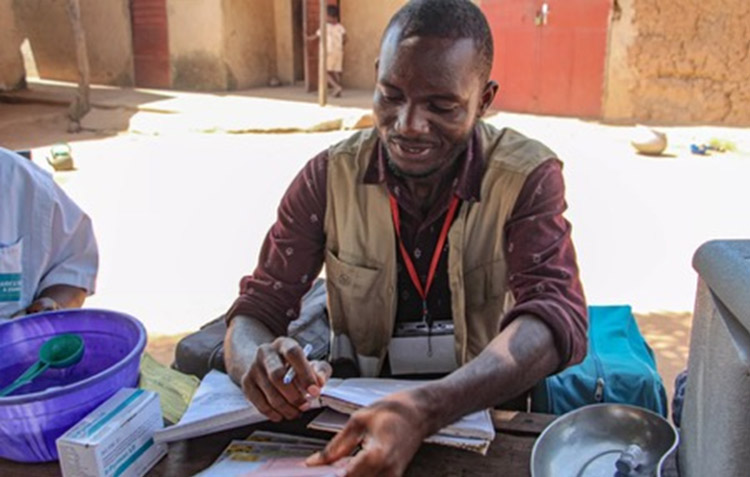
Section under development. Real experiences from community members and health workers will be shared as implementation progresses.
Start date
1st September 2025
Duration
48 months
Consortium
7 partners from 6 countries

Budget
EU: 3.9M€
Switzerland: 0.9M€