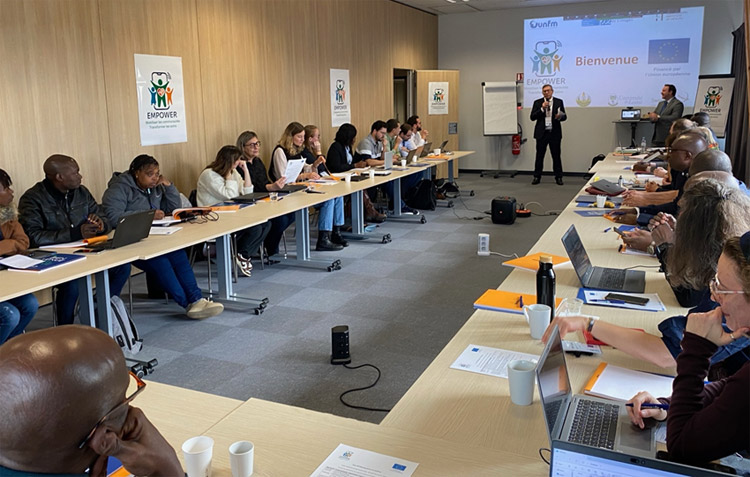
Anchoring the project in local realities
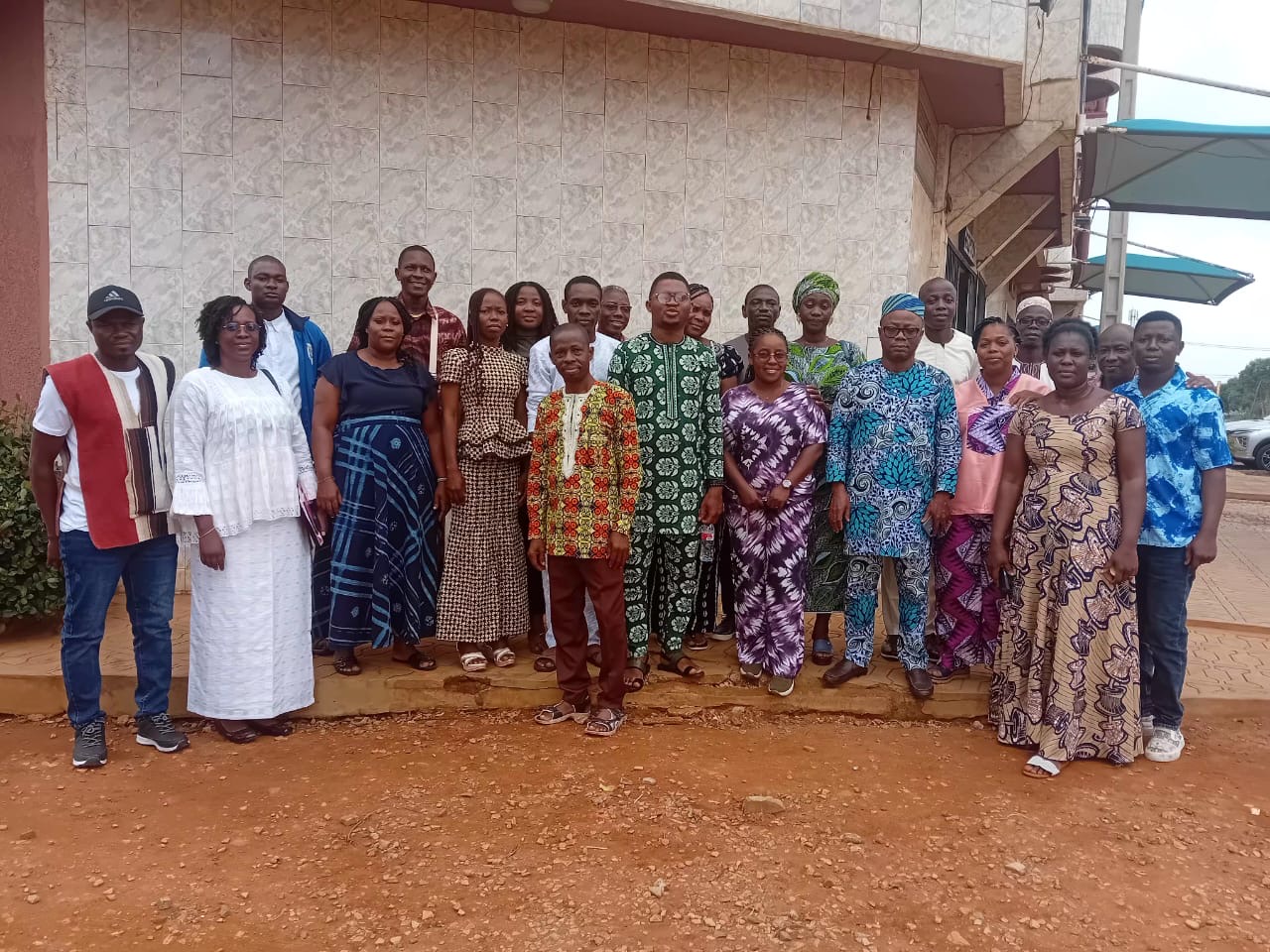
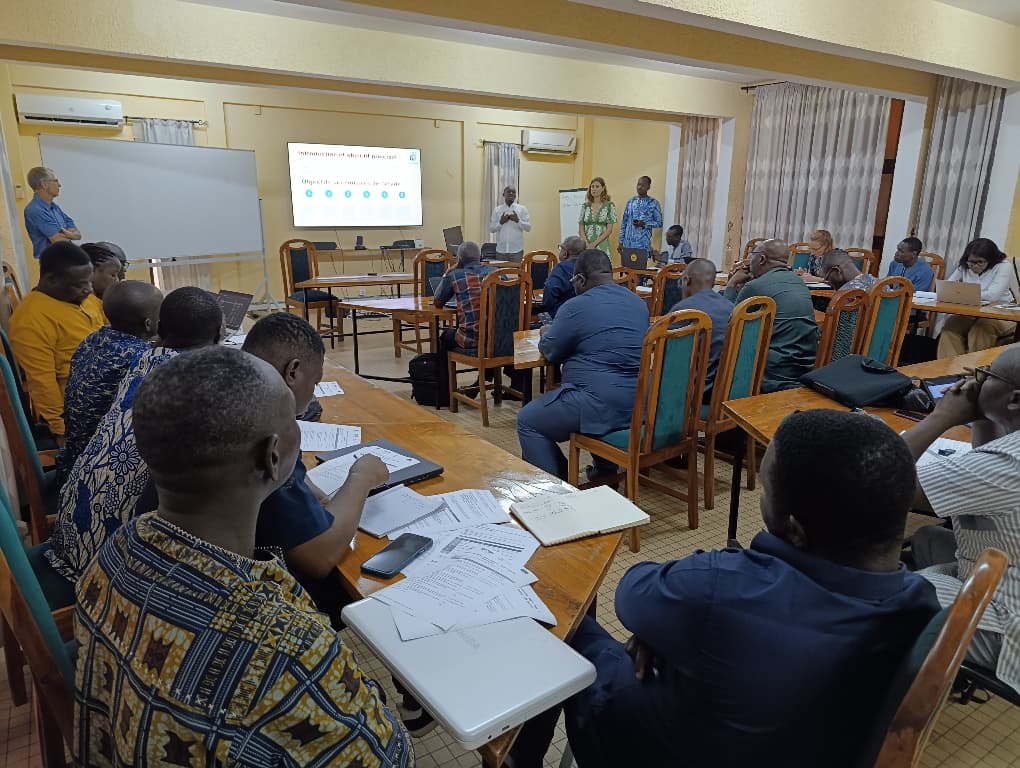
From 27 January to 2 February 2026, the coordination team of the EMPOWER project travelled to Benin and Togo to strengthen collaboration with local teams and key stakeholders on the ground. The mission was carried out by a delegation from the University of Limoges, led by Professor Pierre-Marie Preux, and represents an important milestone in the implementation of the project.
Objectives of the mission
The main objectives of the visit were to:
These exchanges are essential to ensure that the intervention to be deployed is fully adapted to local contexts and to the needs of people living with noncommunicable diseases (NCDs).
Step 1 – Benin: immersion in the Ouémé Department
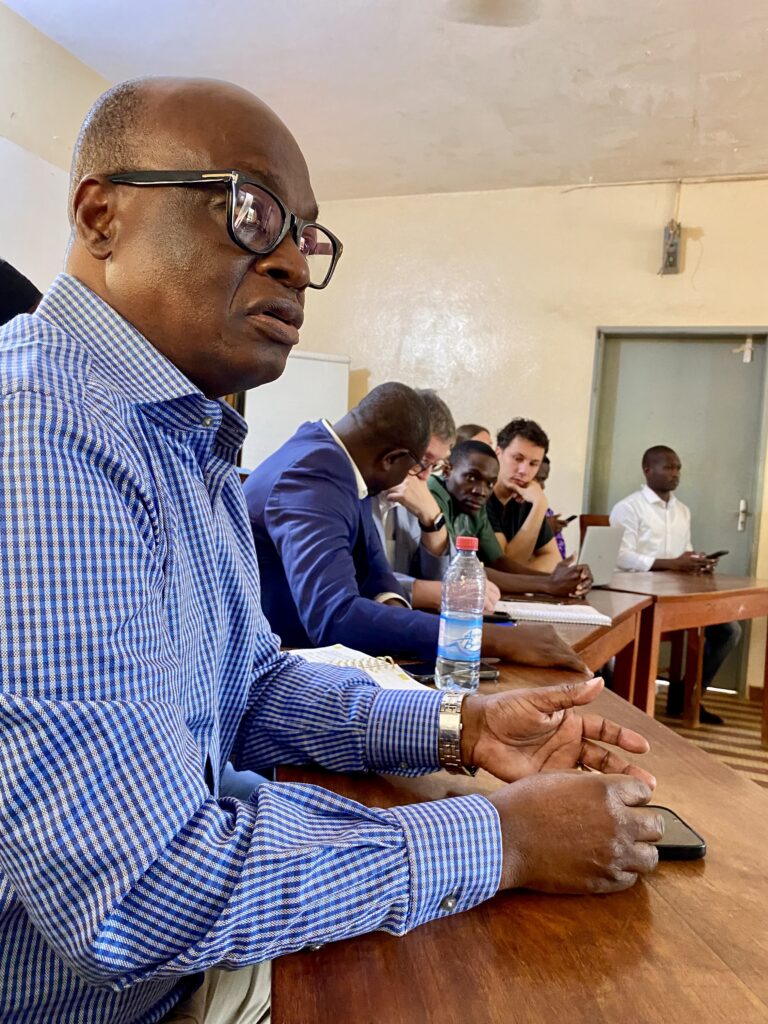
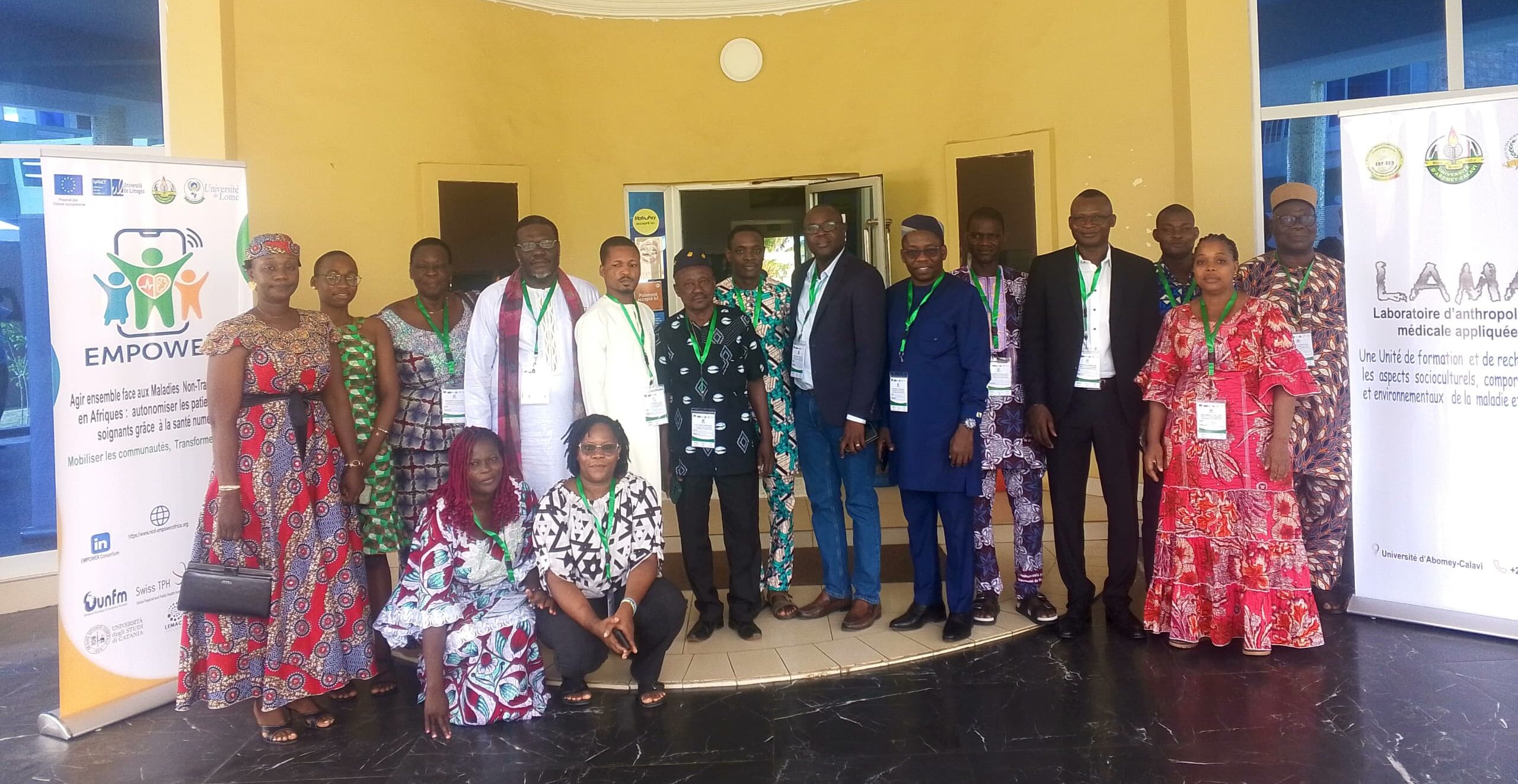
On 28 January, the delegation visited the Ouémé Department, accompanied by Professor Dieu donné Gnonlonfoun and Richard Biaou Boni (University of Abomey-Calavi) as well as Professor Dismand Houinato (Alliance MNT Bénin). The visits covered several key project areas:
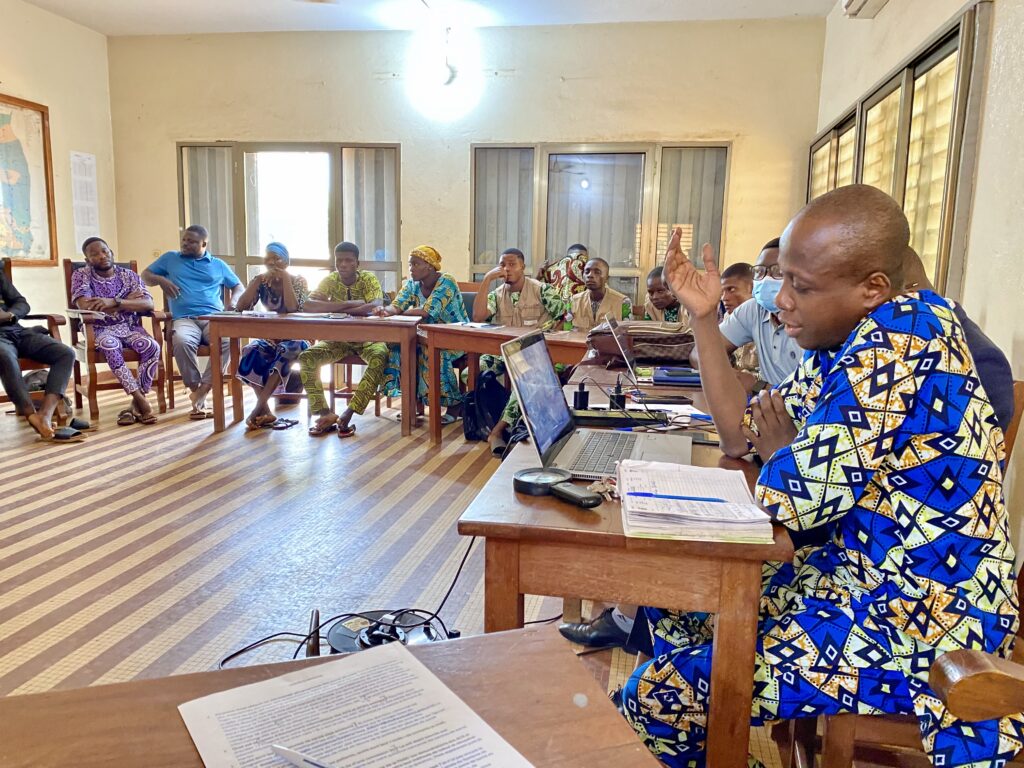
The day included discussions with zone coordinators, a visit to the Adjohoun district hospital, and visits to several primary healthcare centres (Azowlissè, Dangbo, Akpro-Missérété and Vakon). These exchanges provided an opportunity to discuss the organisation of care, the role of community health workers, and the challenges related to NCD management and follow-up in rural settings.
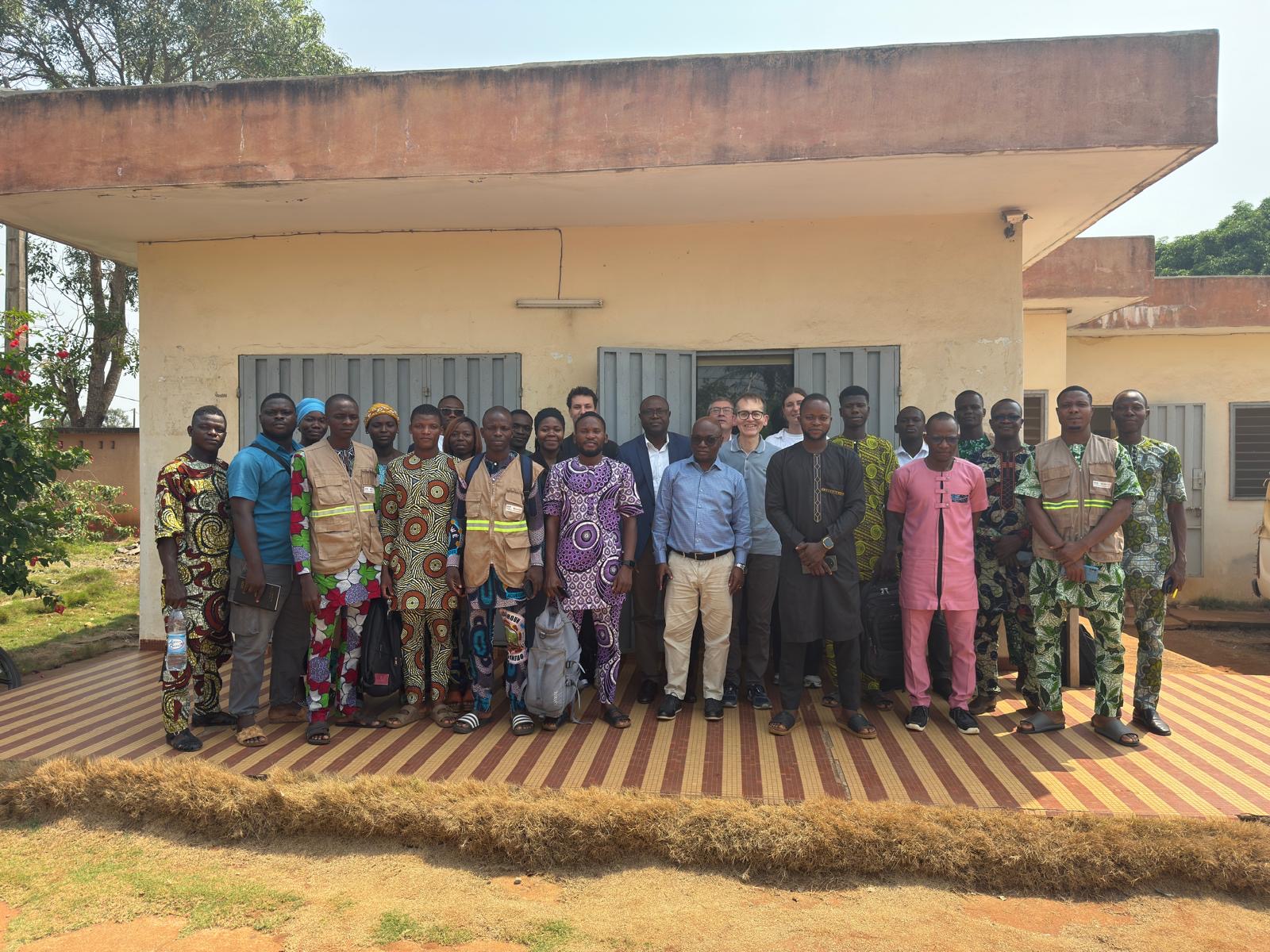
Step 2 – Togo: meetings in health districts
On 30 January, the mission continued in Togo under the leadership of Professor Didier Ekouévi and Dr Martin Tchankoni (University of Lomé) as well as Professor Mofou Belo (National Program against NCDs).
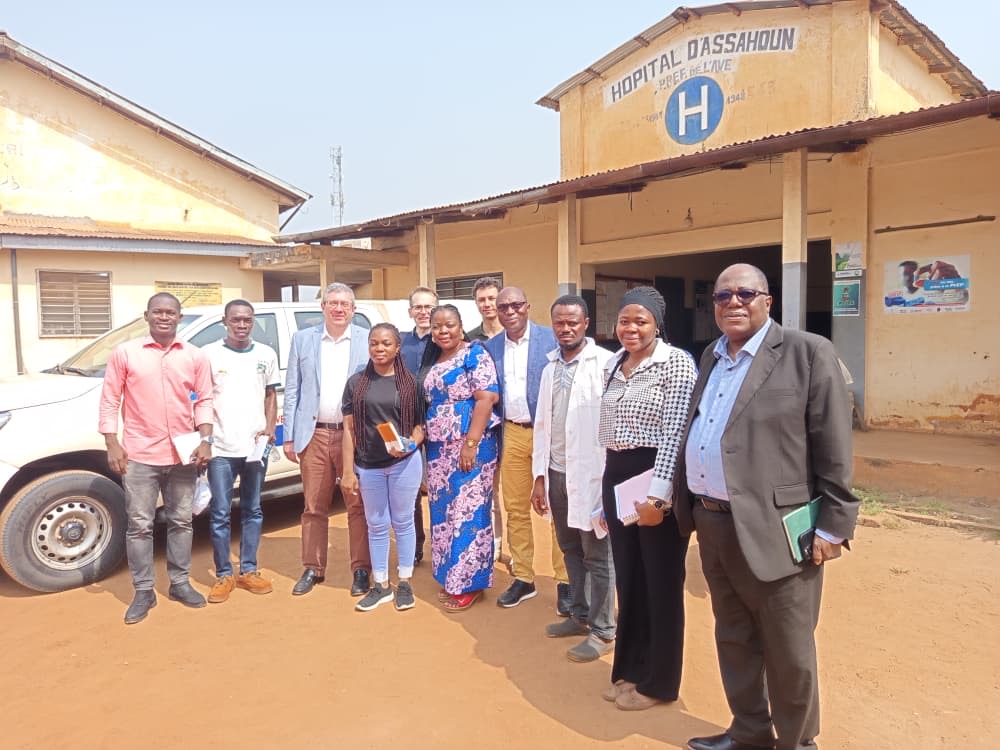
The delegation visited several health districts, clearly distinguishing between the different study areas:
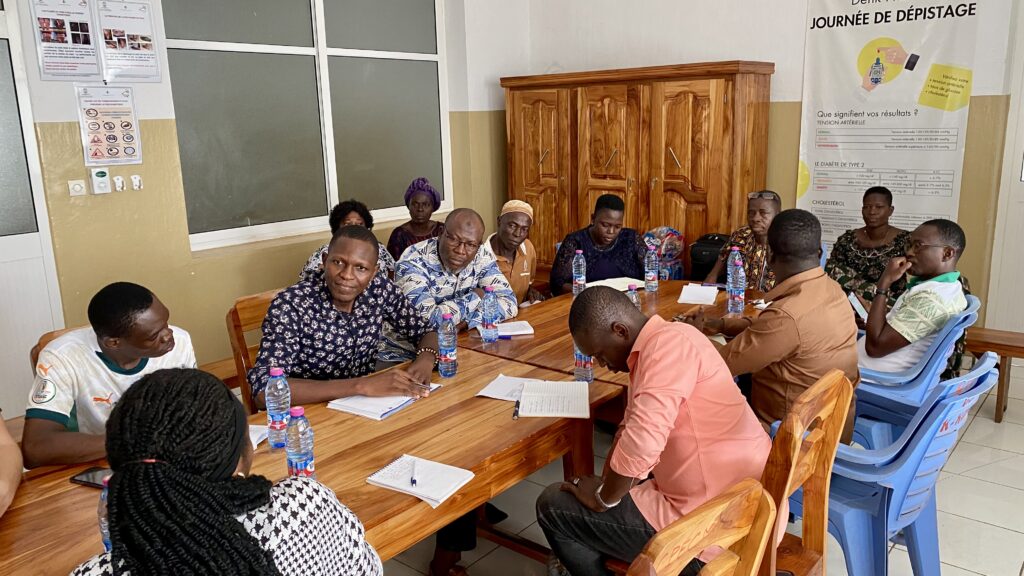
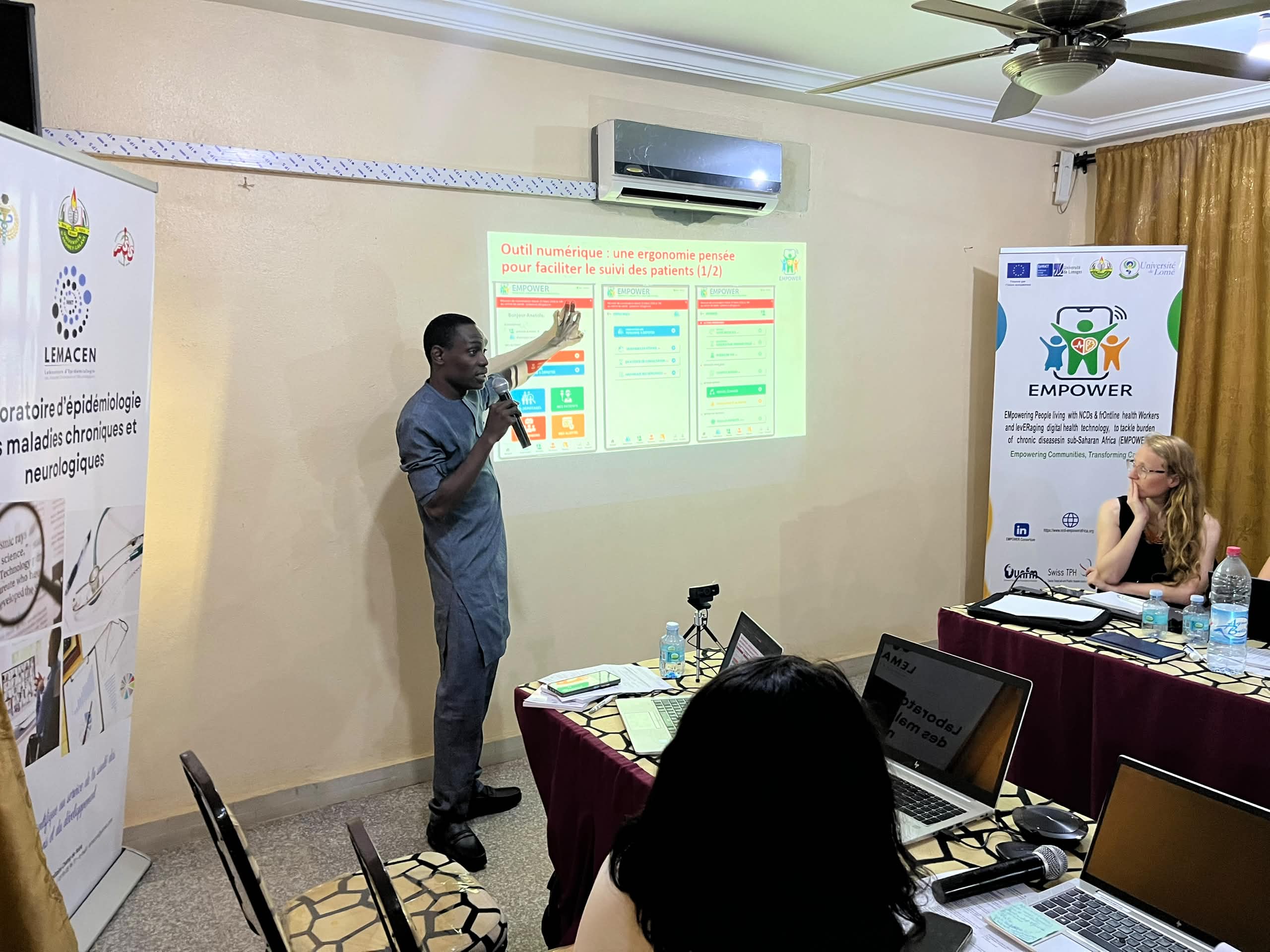
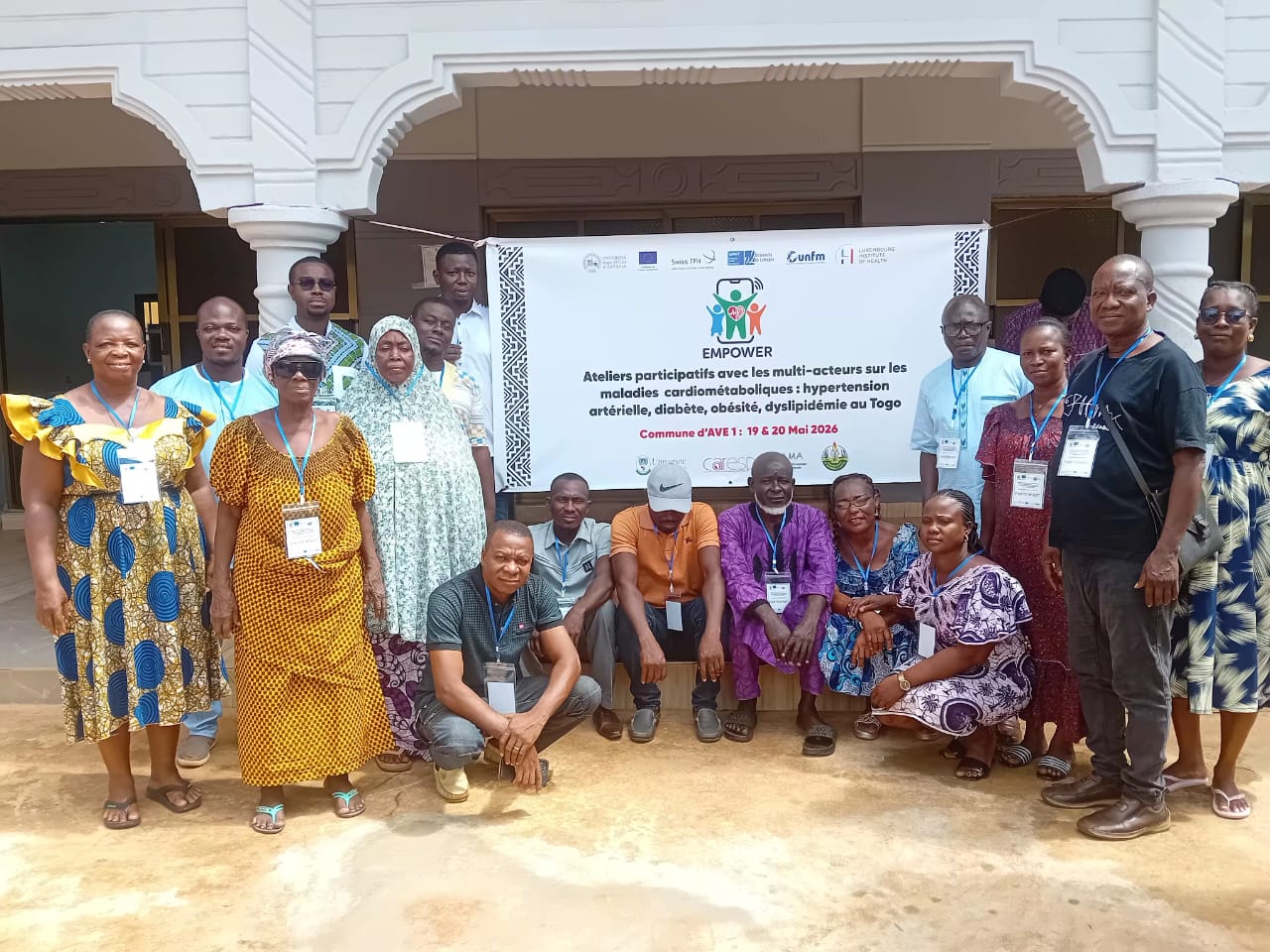
Discussions with district management teams, community-based intervention coordinators, NCD focal points and community health workers addressed care pathways, coordination across different levels of the health system, and expectations regarding the community-based and digital approaches promoted by EMPOWER.
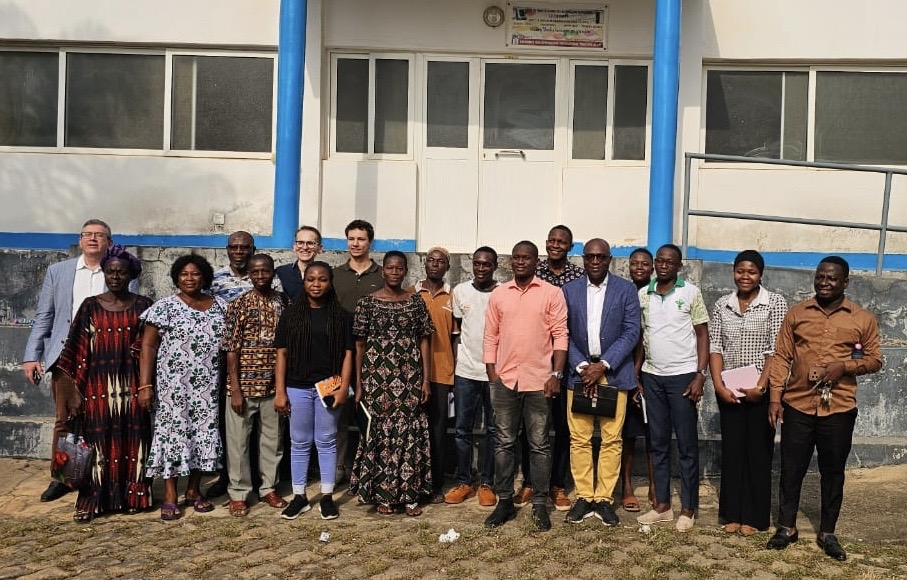
A foundational mission for the next phases of the project
Beyond institutional visits, this mission helped to establish the foundations for ongoing dialogue between researchers, local decision-makers and frontline health actors. Insights gained during these exchanges will directly inform the development of the intervention protocol, involving health professionals, community health workers and people living with one or more NCDs.
By building on this in-depth understanding of the Beninese and Togolese contexts, EMPOWER continues to pursue its ambition: to co-develop realistic, acceptable and sustainable community-based and digital interventions, capable of strengthening NCD care as close as possible to the populations concerned.