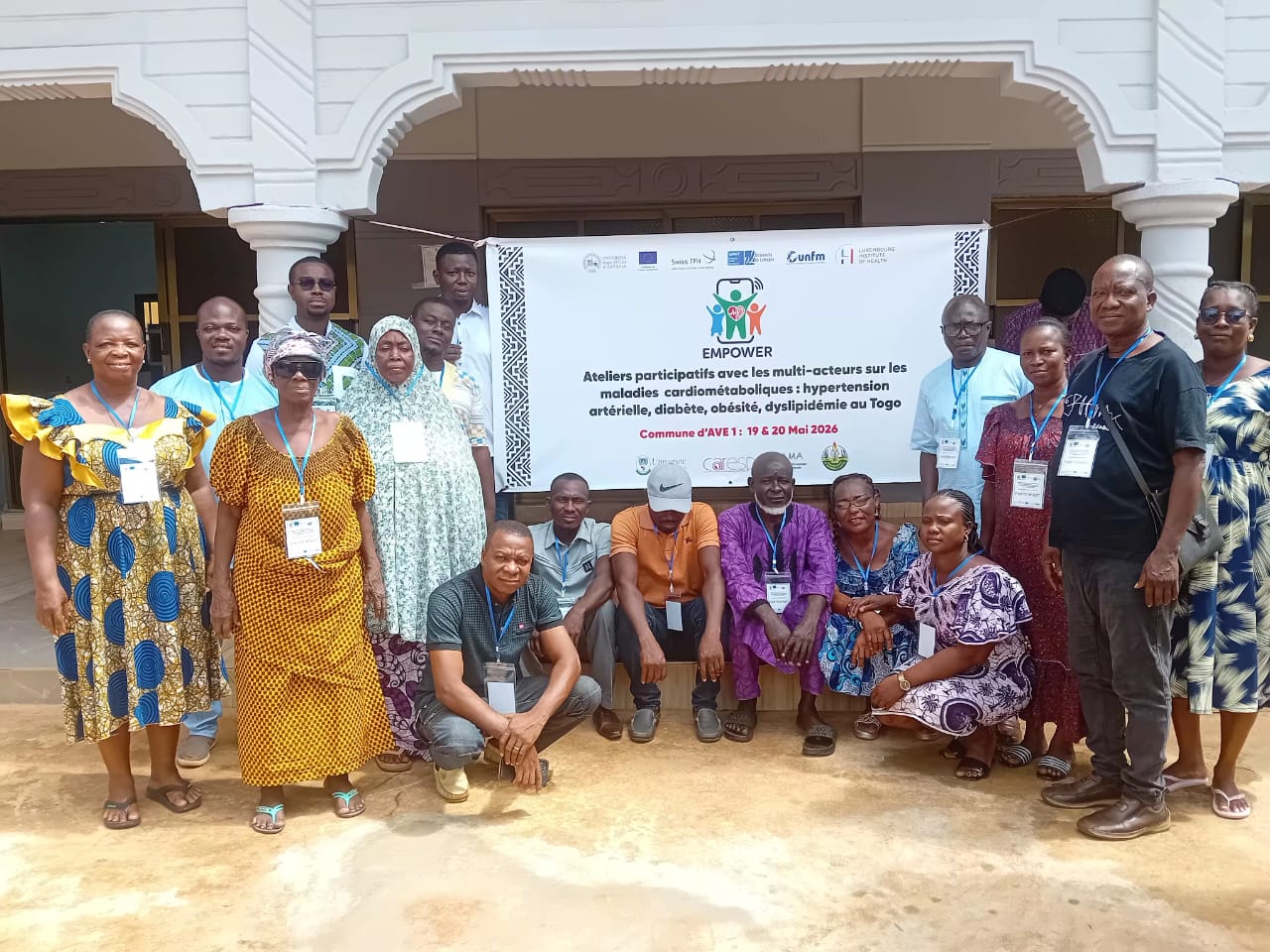
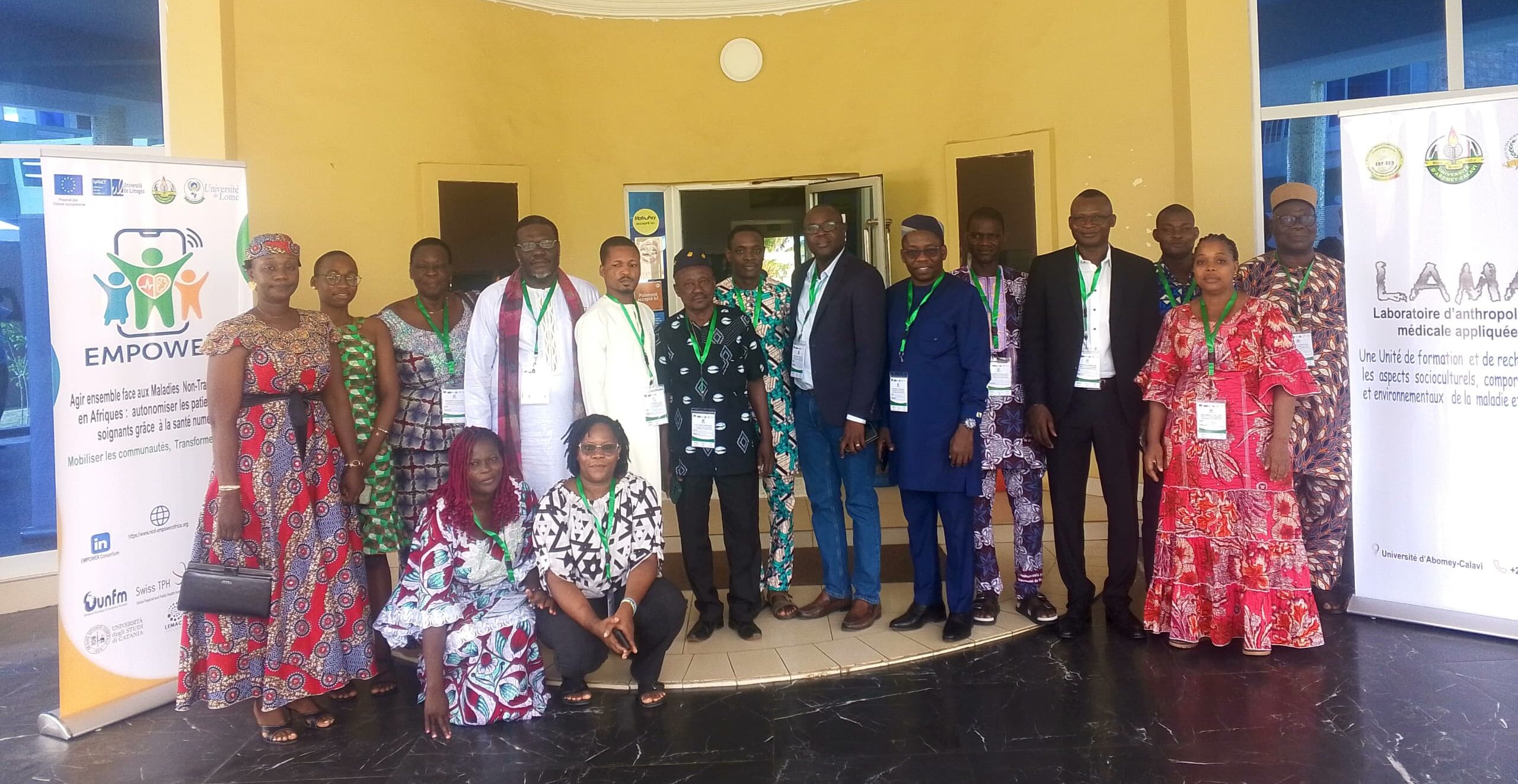
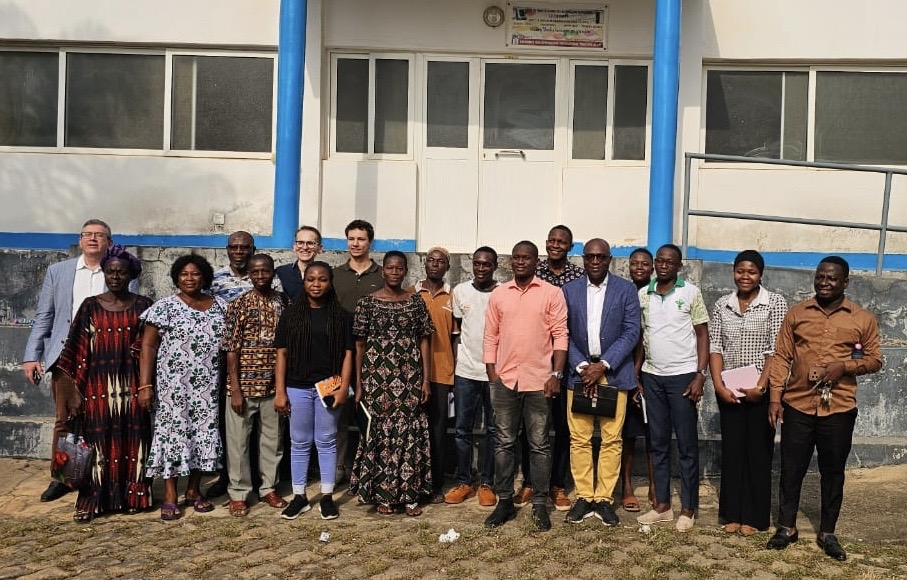
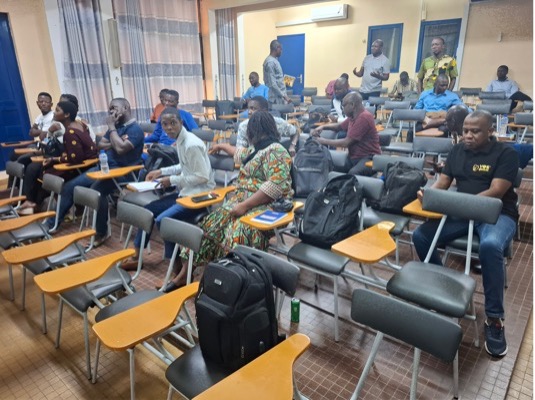
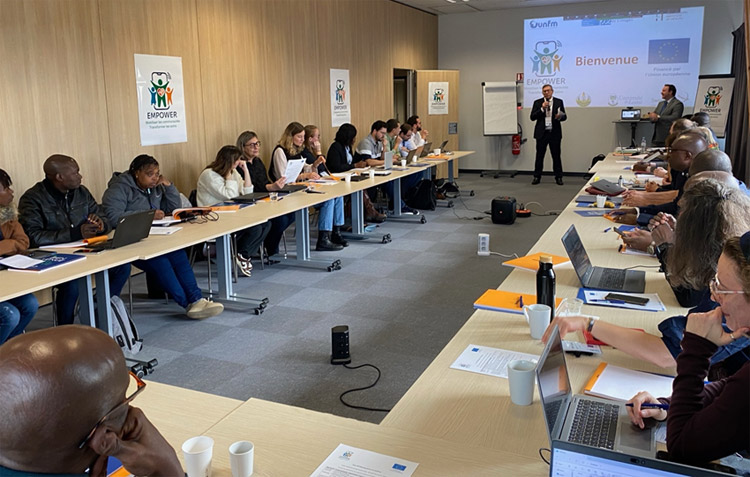
From 29 to 31 July 2026, the EMPOWER project partners and key stakeholders from Benin and Togo met in Bohicon, Benin, to validate the project's Social and Behaviour Change Communication (SBCC) strategy for the prevention, early detection and community-based management of non-communicable diseases (NCDs).
A participatory approach at the heart of the strategy
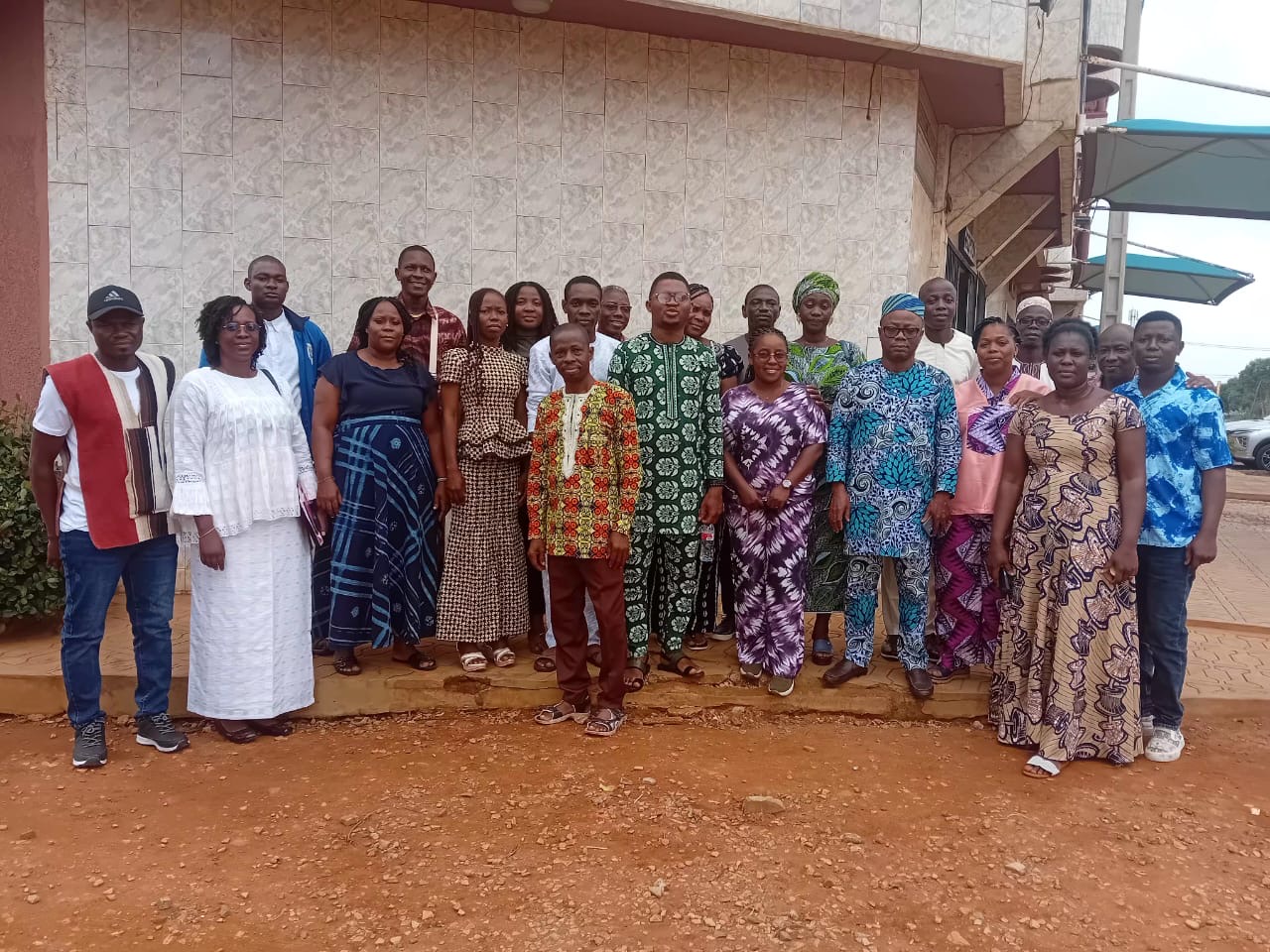
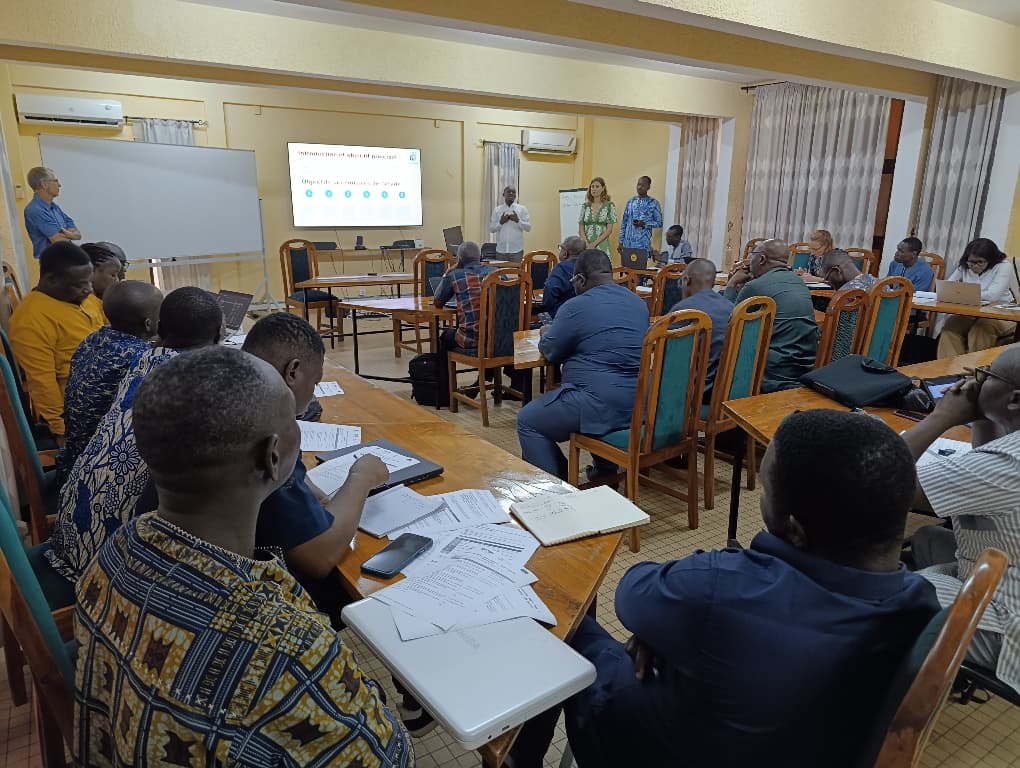
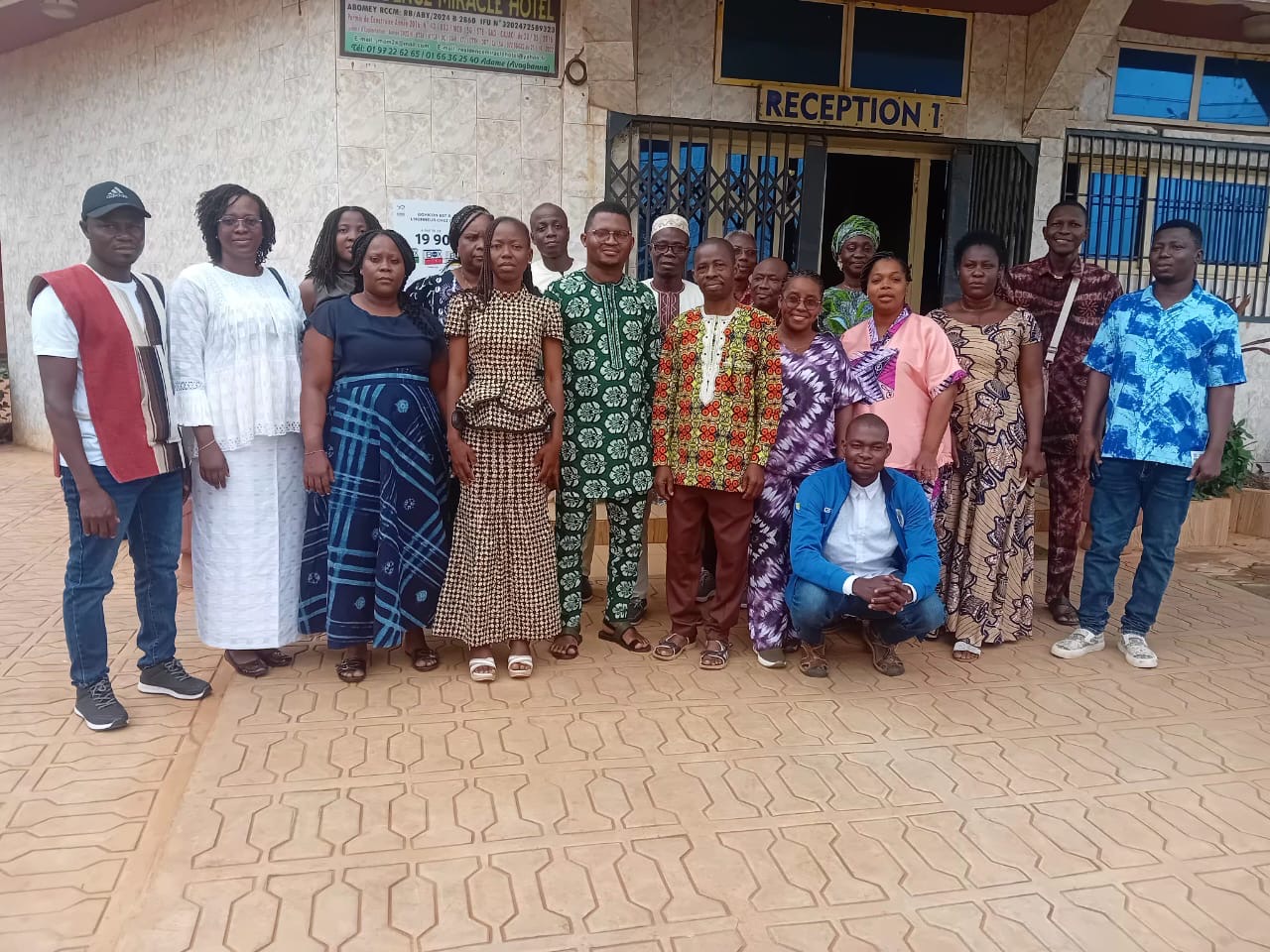
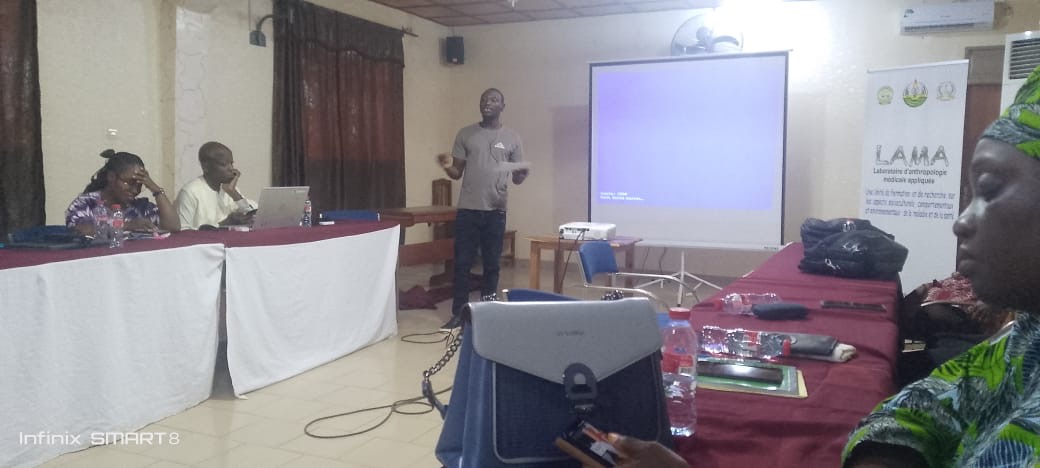
The workshop brought together 24 participants, including researchers, representatives of the national NCD control programmes and of the health districts, healthcare professionals, civil society organisations, community actors, as well as members of the EMPOWER teams in Benin and Togo.
In his opening remarks, Mr Richard Biaou (EMPOWER project officer in Benin) underlined the importance of this step in ensuring the scientific quality, technical relevance and socio-cultural appropriateness of the strategy. Ms Audrey Hemadou (assistant to the WP3-Benin coordinator) then presented the objectives of the workshop and its expected outcomes.
From the findings of the PPI workshops to communication messages
Drawing on the Patient and Public Involvement (PPI) workshops previously held in Benin and Togo, Ms Nathalie Houngnihin (WP3 PhD candidate) presented their main findings. These concerned in particular care pathways, the experiences of people living with NCDs and of their relatives, the barriers to behaviour change, and the levers likely to strengthen prevention and community engagement.
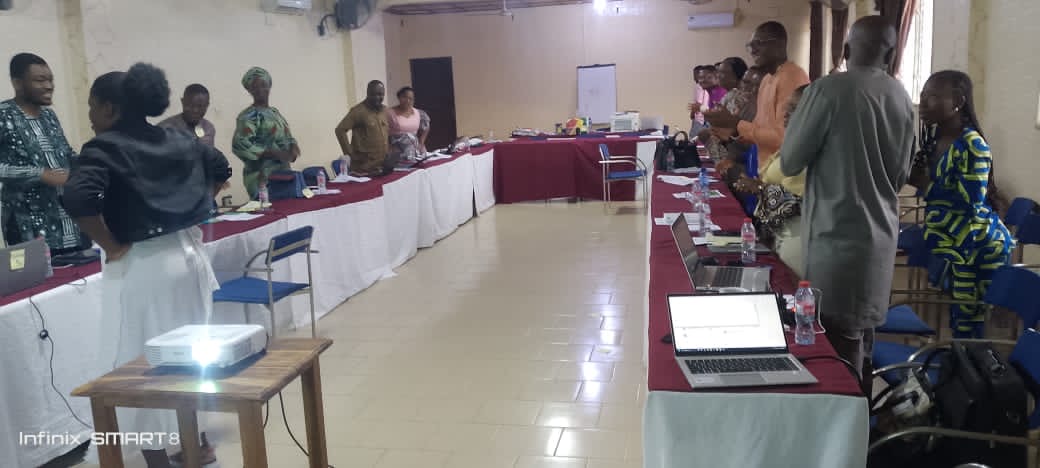
Through multidisciplinary group work and plenary discussions, participants then reviewed, enriched and validated the messages co-created with the communities, ensuring their clarity, their scientific relevance and their adaptation to the socio-cultural realities of Benin and Togo.
Channels and materials tailored to the communities
Participants also worked on the most appropriate channels, formats and materials for disseminating the messages. Community relays were identified as a key channel for outreach at local level, alongside community and religious leaders, healthcare professionals and community radio stations. Digital tools were also retained as a complement to community-based approaches.
Several types of materials were proposed, including illustrated posters, roll-up banners, flyers, leaflets, community radio programmes and short video capsules. Particular attention will be paid to adapting them to local languages and to the socio-cultural contexts of the target communities.
A consolidated strategy ahead of implementation
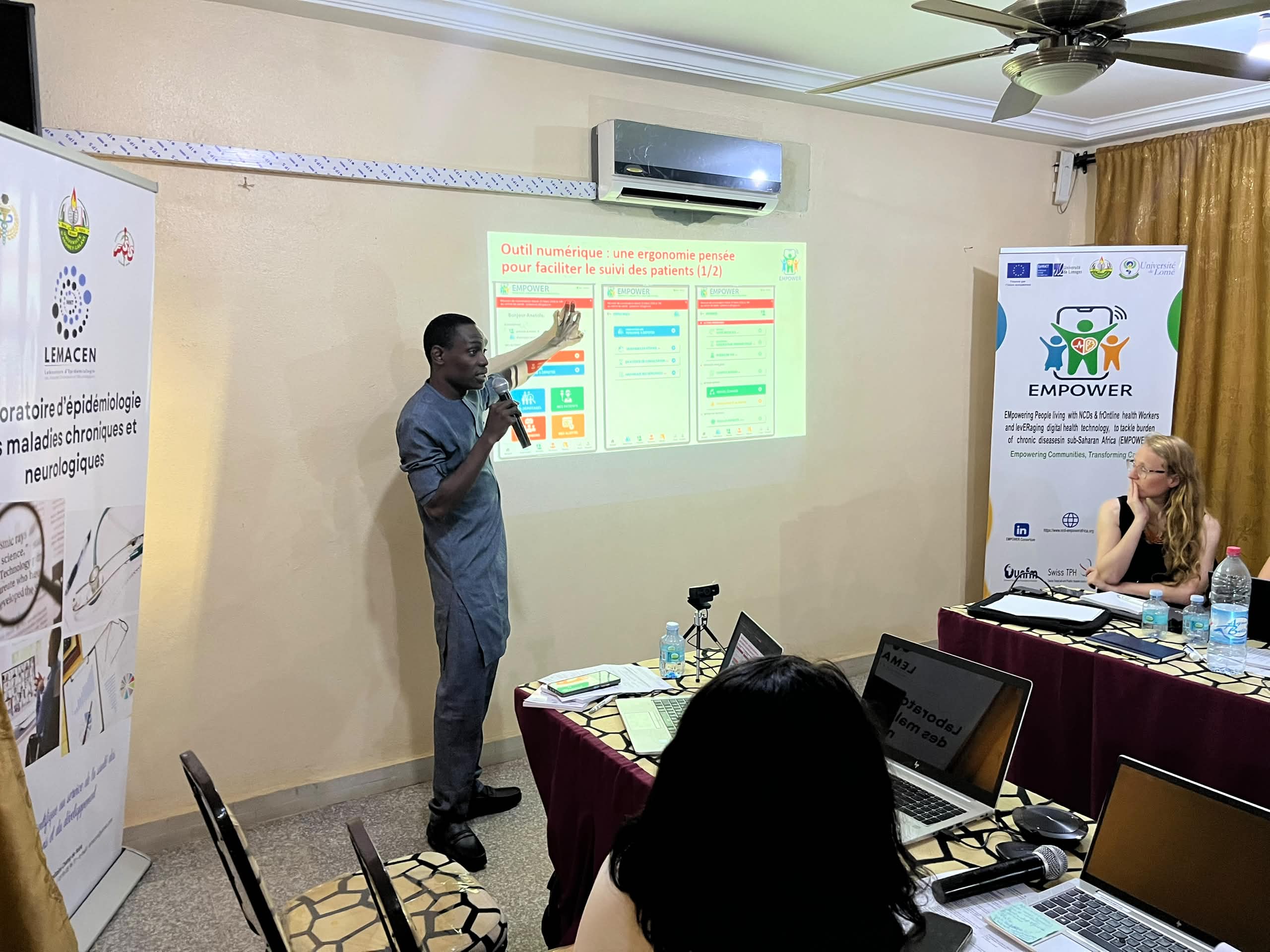
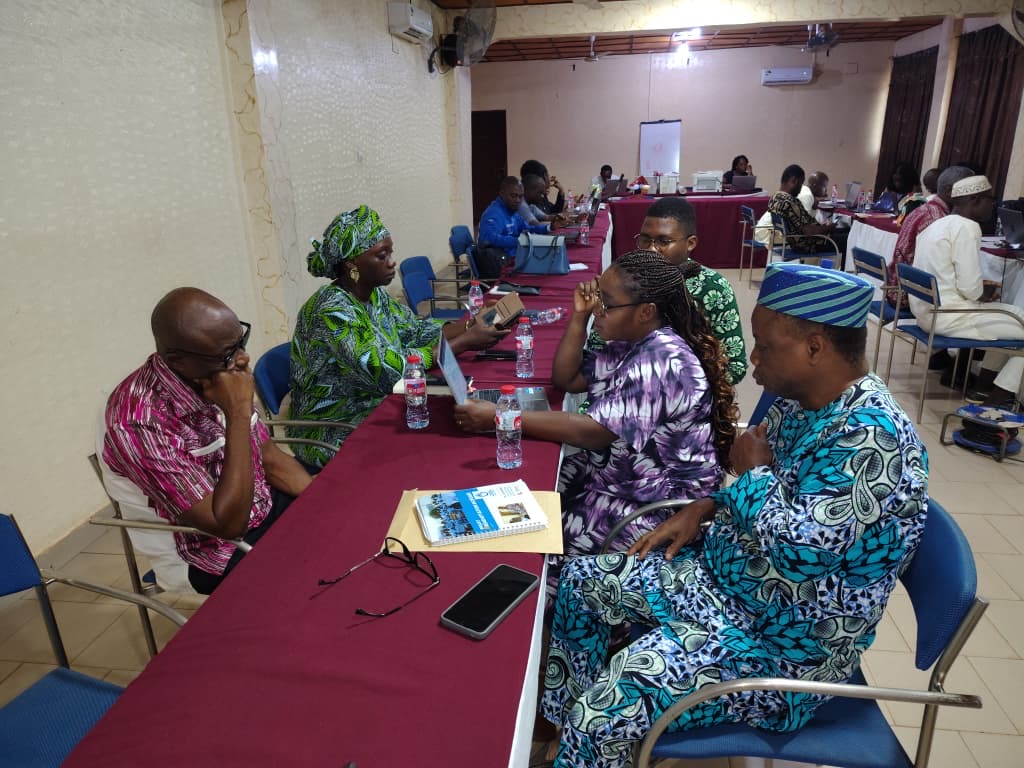
The final day was devoted to a critical reading of the SBCC strategy document, presented by Dr Yaya Tchadjobo (University of Lomé). The group work made it possible to strengthen the coherence of the document and to clarify certain orientations, the roles of the various actors and the monitoring and evaluation framework.
Participants also agreed to systematically adopt the expression “Social and Behaviour Change Communication (SBCC)”, in order to better reflect the attention paid not only to individual behaviours but also to the social determinants of change. The main amendments were validated by consensus.
Next step: finalising and pre-testing the tools
This workshop marks an important milestone in the preparation of the EMPOWER intervention. The next steps will consist in finalising the SBCC strategy, producing and adapting the communication materials, and then pre-testing them with the target audiences in order to assess their comprehension, acceptability and cultural relevance before their roll-out in the project's intervention areas in Benin and Togo.