Understanding Local Realities to Build Tailored Interventions
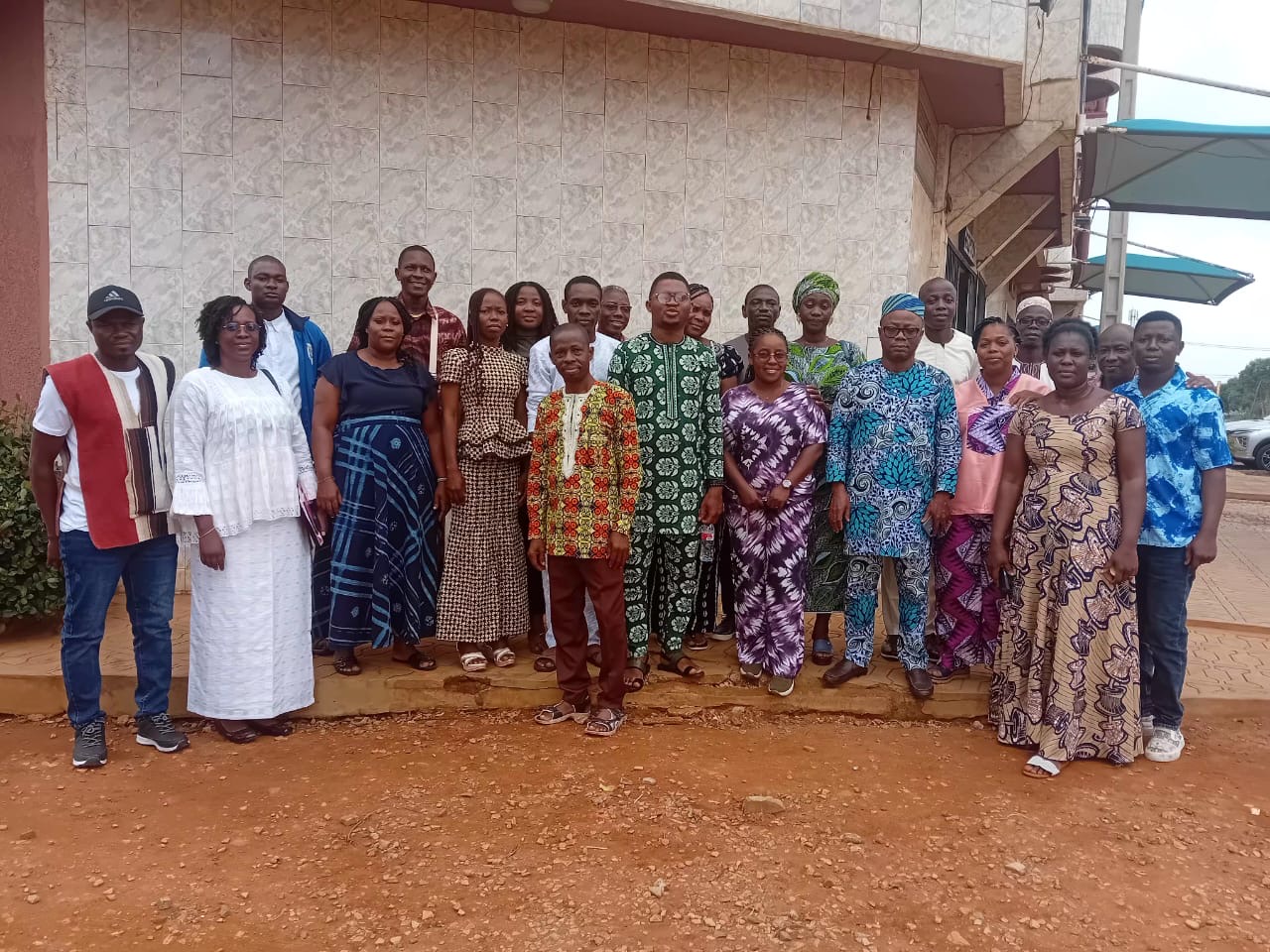
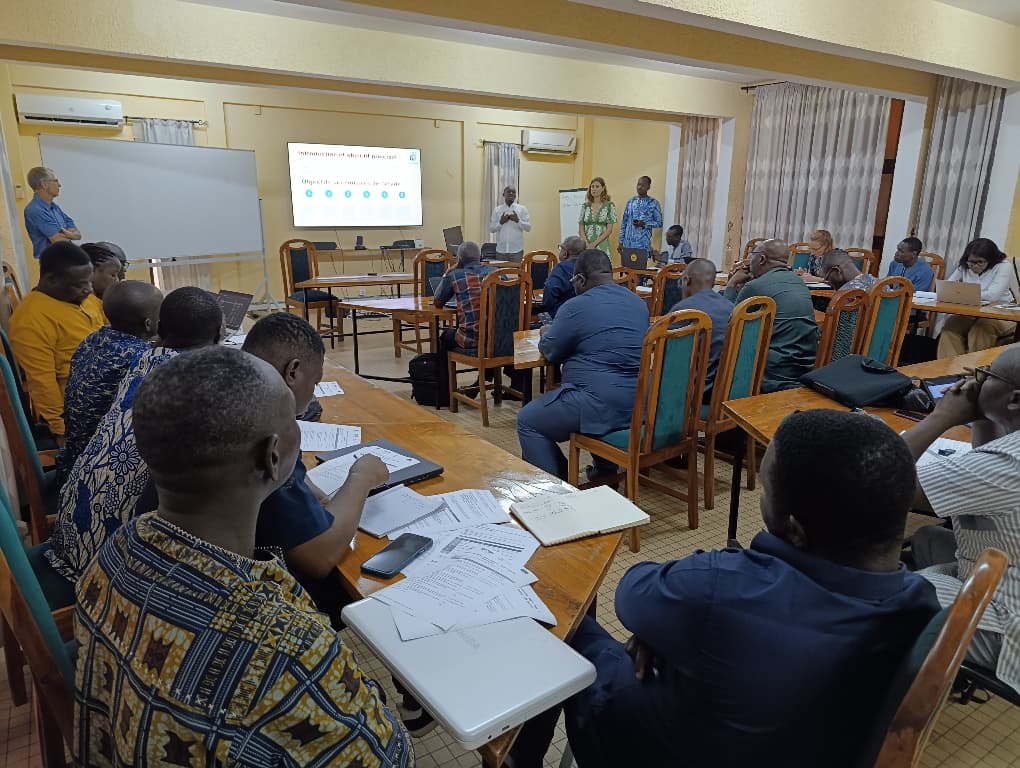
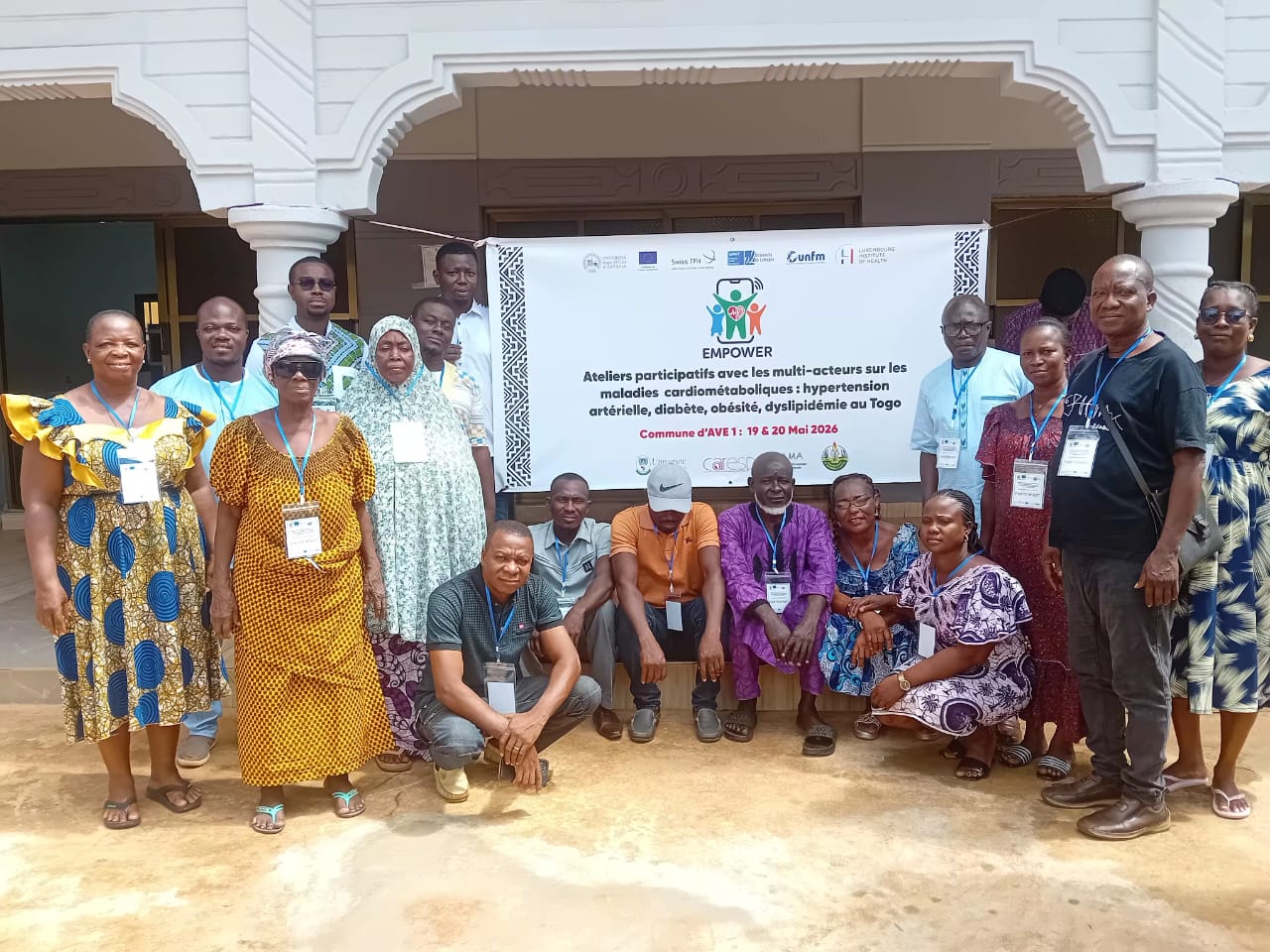
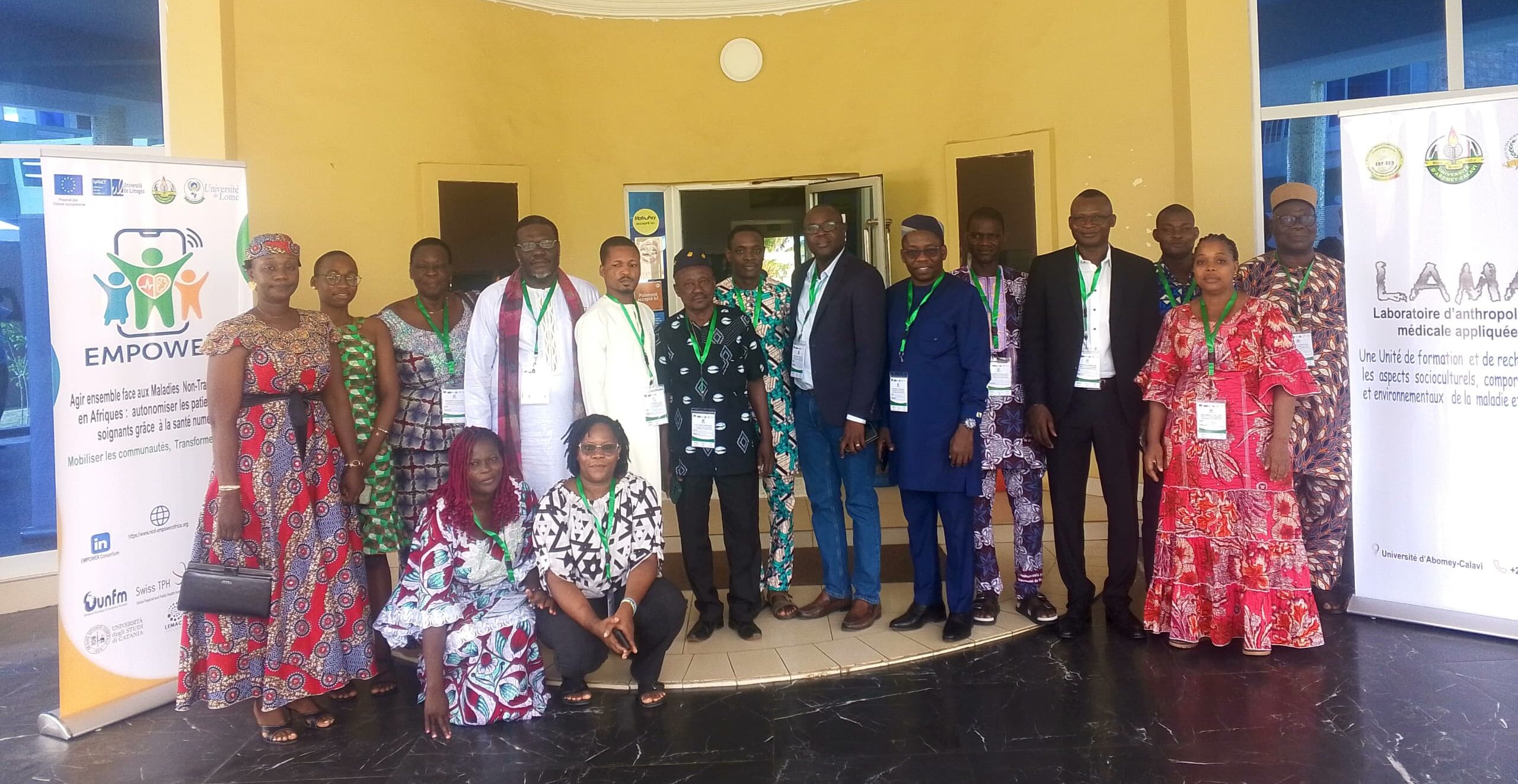
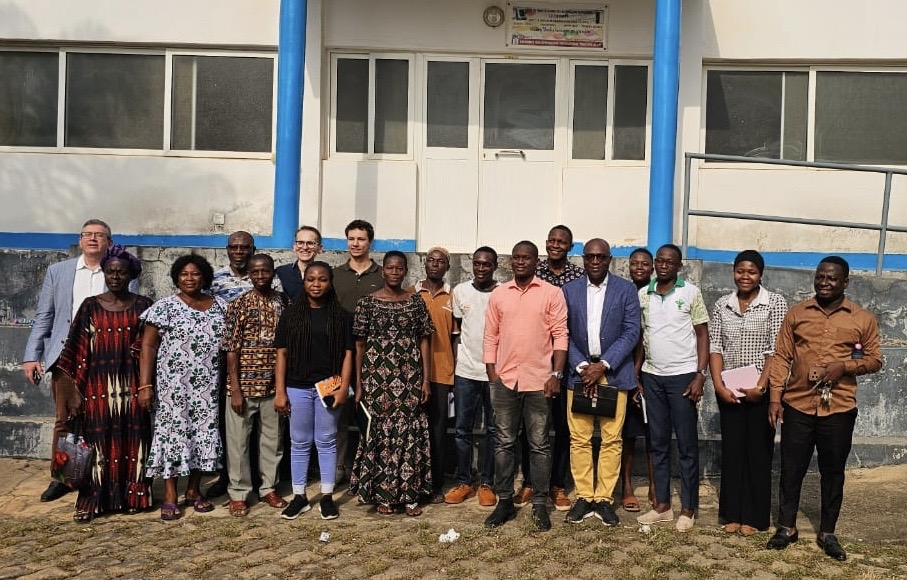
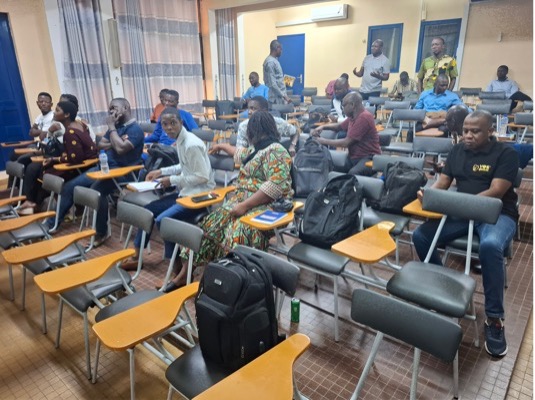
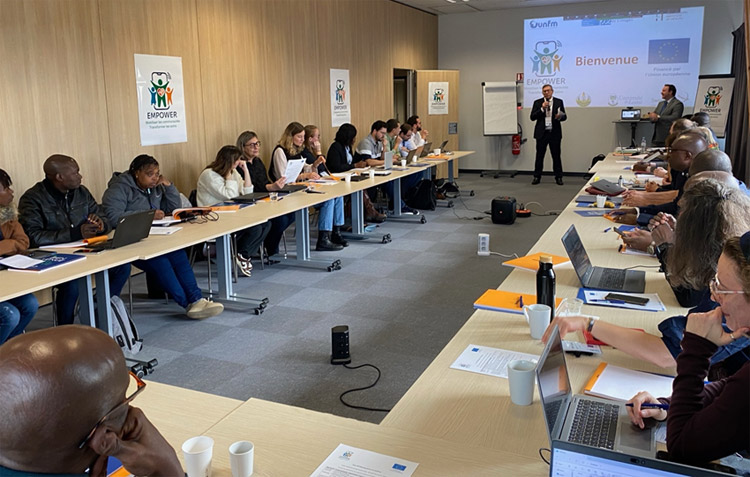
On 15 June 2026, the EMPOWER project convened a workshop in Dangbo, in Benin’s Ouémé Department, chaired by Prof Dieu donné Gnonlonfoun (University of Abomey-Calavi). The event brought together community representatives, people living with one or more non-communicable diseases (NCDs), Community Health Workers (CHWs), healthcare professionals, representatives of national programmes, health authorities, and civil society organisations to review and discuss the preliminary findings of the contextual analysis conducted as part of the project.
At the opening of the workshop, Dr Aristide Sohe, representing the National Programme for the Control of Non-Communicable Diseases, provided an overview of the NCD situation in Benin and highlighted the main challenges facing NCD prevention and management, particularly at the community level.
Throughout the day, the discussions were moderated by Mr Richard Biaou Boni, EMPOWER Project Manager for Benin, with support from Dr Concheta Tchibozo (University of Limoges), who also facilitated the exchanges among participants.
This meeting marked an important milestone in EMPOWER’s preparatory phase, which aims to better understand the local context, care pathways, existing health services, and the opportunities and challenges associated with the use of digital health to improve NCD care.

Sharing Key Insights from the Contextual Analysis
Under the leadership of Prof Kaspar Wyss from Swiss TPH, project teams carried out an in-depth contextual analysis across the study areas in Benin and Togo. The study combined quantitative surveys among households and healthcare workers with qualitative interviews involving patients, caregivers, CHWs, and other health system stakeholders.
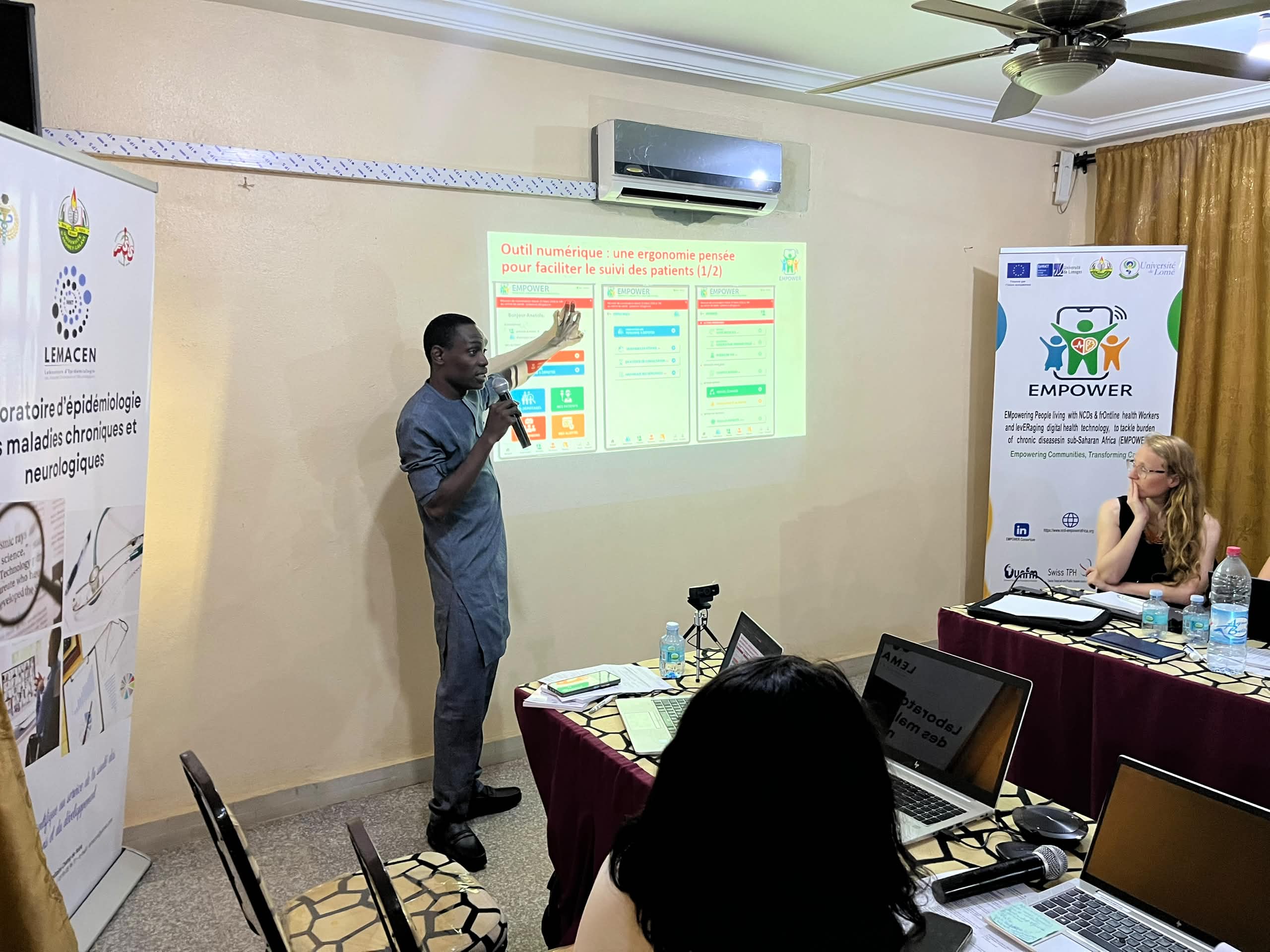
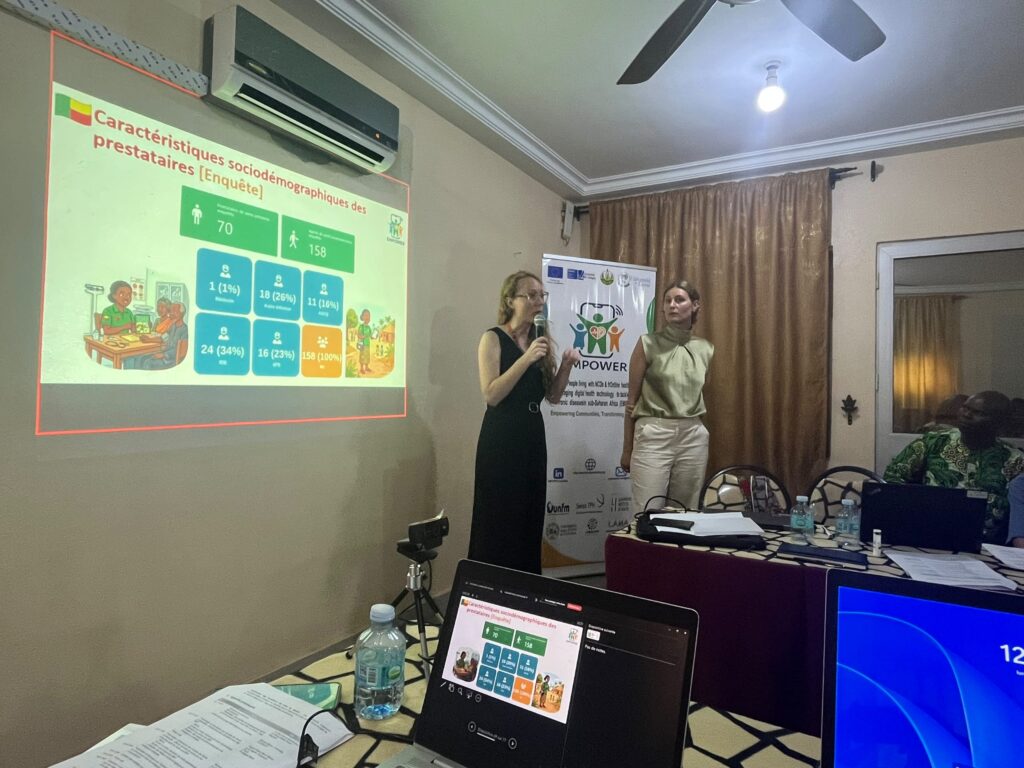
The preliminary findings presented during the workshop by Prof Kaspar Wyss, Dr Hélène Langet, and Ms Louise-Amélie Hantzsche provide valuable insights into the realities faced by people living with NCDs, their care-seeking pathways, and the barriers they encounter when accessing healthcare services. The findings also highlight existing strengths and resources within communities and health systems, while improving understanding of stakeholders’ perceptions and expectations regarding community-based approaches and digital health solutions.
A Space for Dialogue and Validation
Beyond presenting the findings, the workshop aimed to foster dialogue among stakeholders, allowing participants to compare the study’s analyses with on-the-ground realities and enrich the interpretation of the data.
Participants were invited to discuss and validate the study’s main findings, identify priority areas for action, and share recommendations to strengthen prevention, screening, care, and follow-up for people living with one or more NCDs.
Shaping the Next Steps of EMPOWER Together
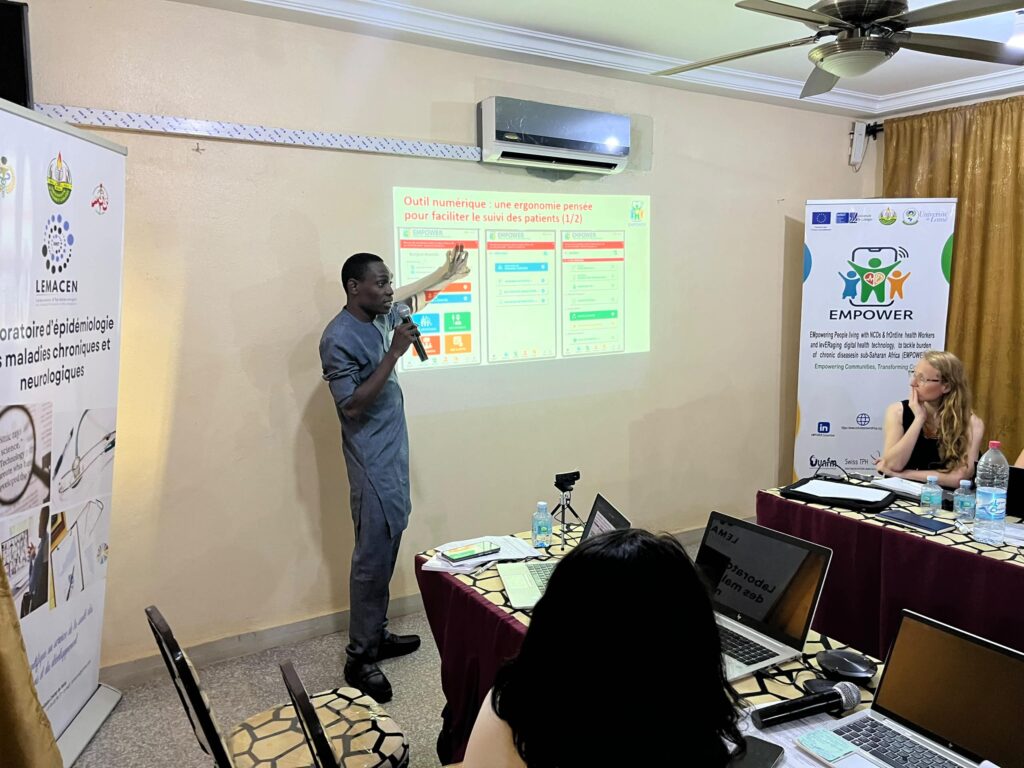
The afternoon sessions focused on presenting and discussing the interventions proposed within the EMPOWER project. Discussions addressed, among other topics, the role of CHWs, the integration of digital tools into primary healthcare services, and the conditions required for the effective and sustainable implementation of the interventions from early 2027 onwards.
This participatory approach reflects one of the project’s core principles: developing solutions together with communities, healthcare professionals, and decision-makers to ensure they genuinely respond to local needs and realities.

Towards a Stronger Response to Non-Communicable Diseases
The contributions gathered during the workshop will feed into the co-design process that will guide the next phase of the project. They will help ensure that future interventions are adapted to local contexts and maximise their acceptability, ownership, and impact.
Through this process, EMPOWER continues its mission to strengthen primary healthcare systems in Benin and Togo by building on the engagement of communities, CHWs, and digital innovations to improve the prevention, detection, management, and long-term follow-up of non-communicable diseases.