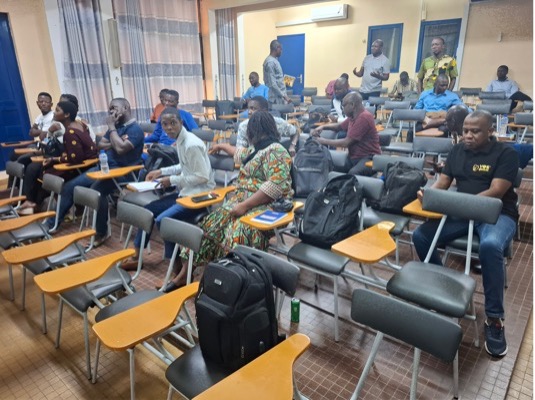
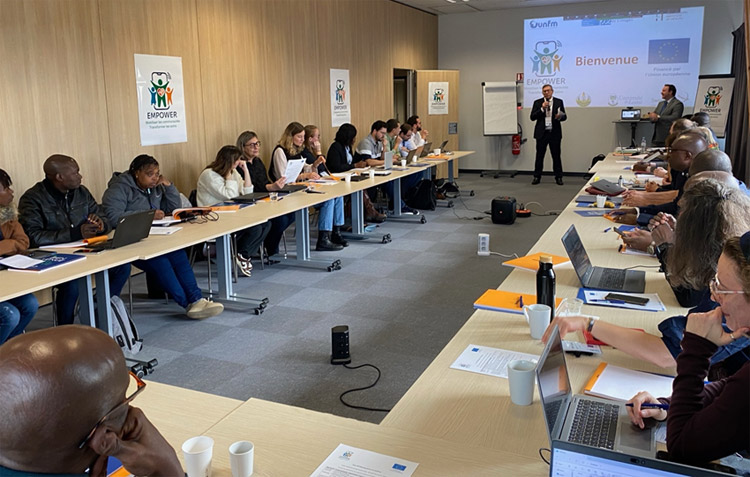
Understanding local realities to better address NCDs
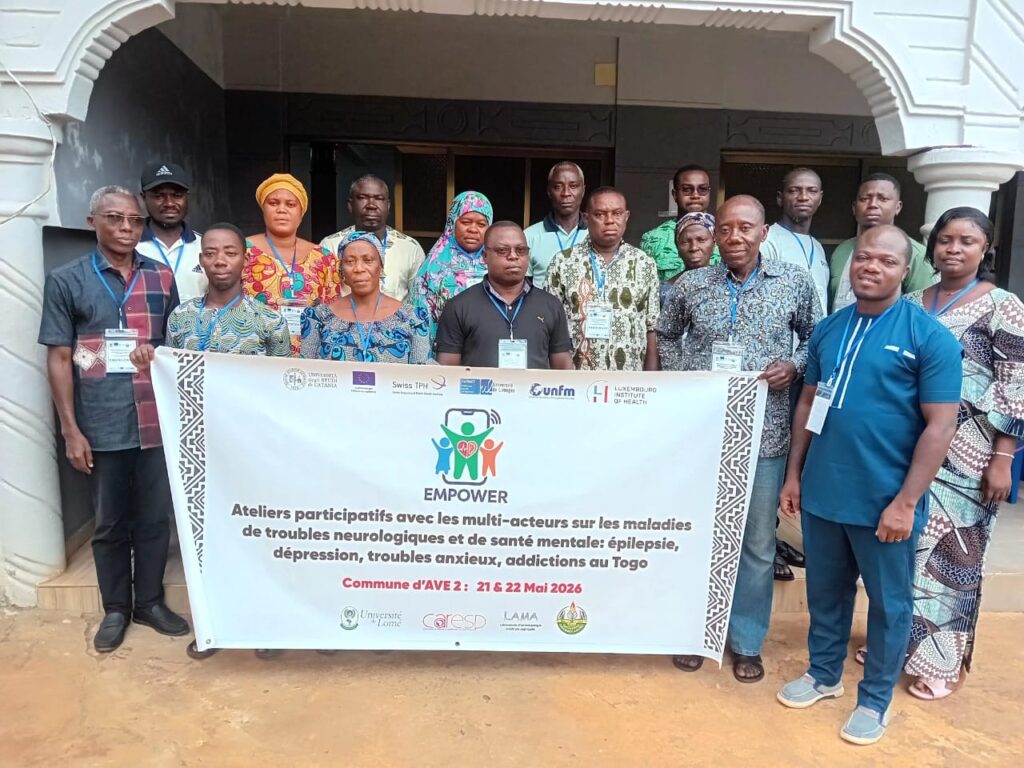
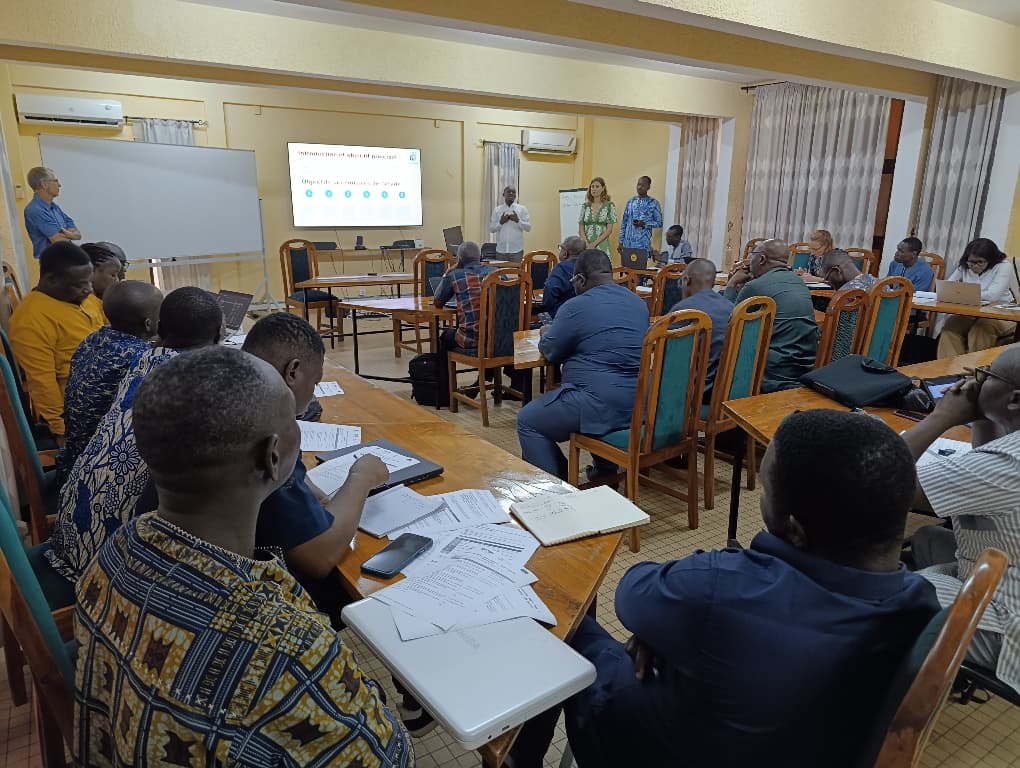
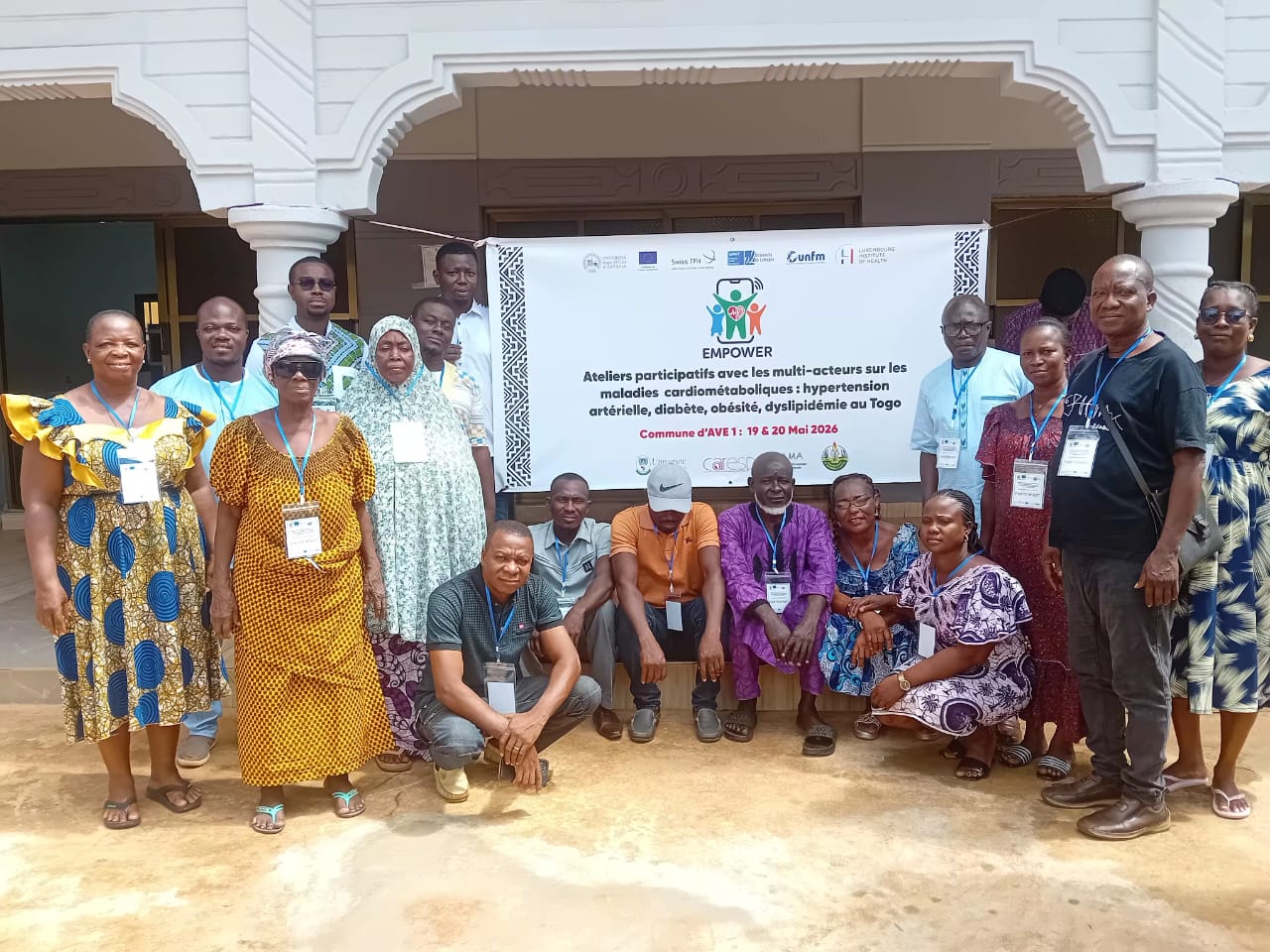
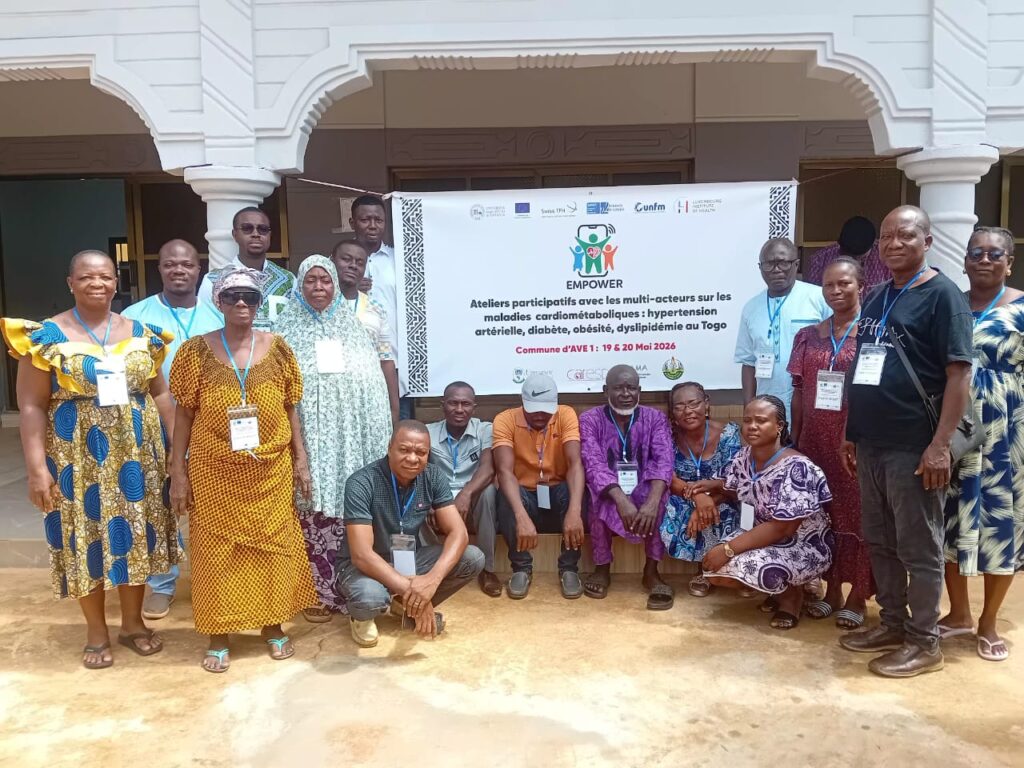
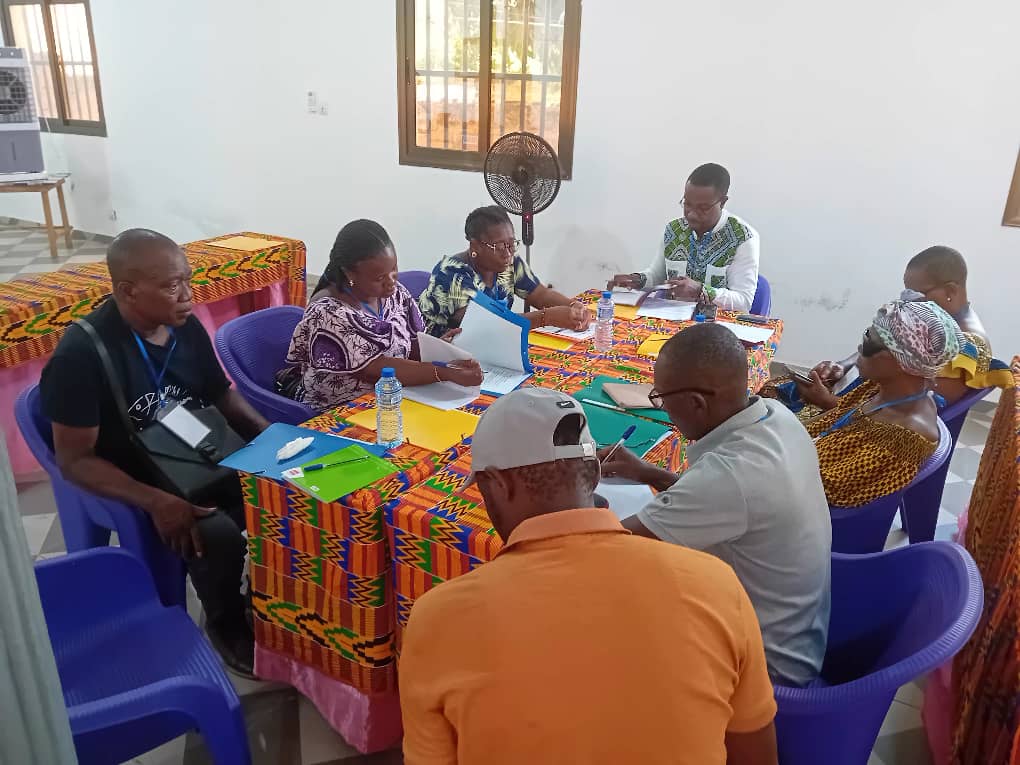
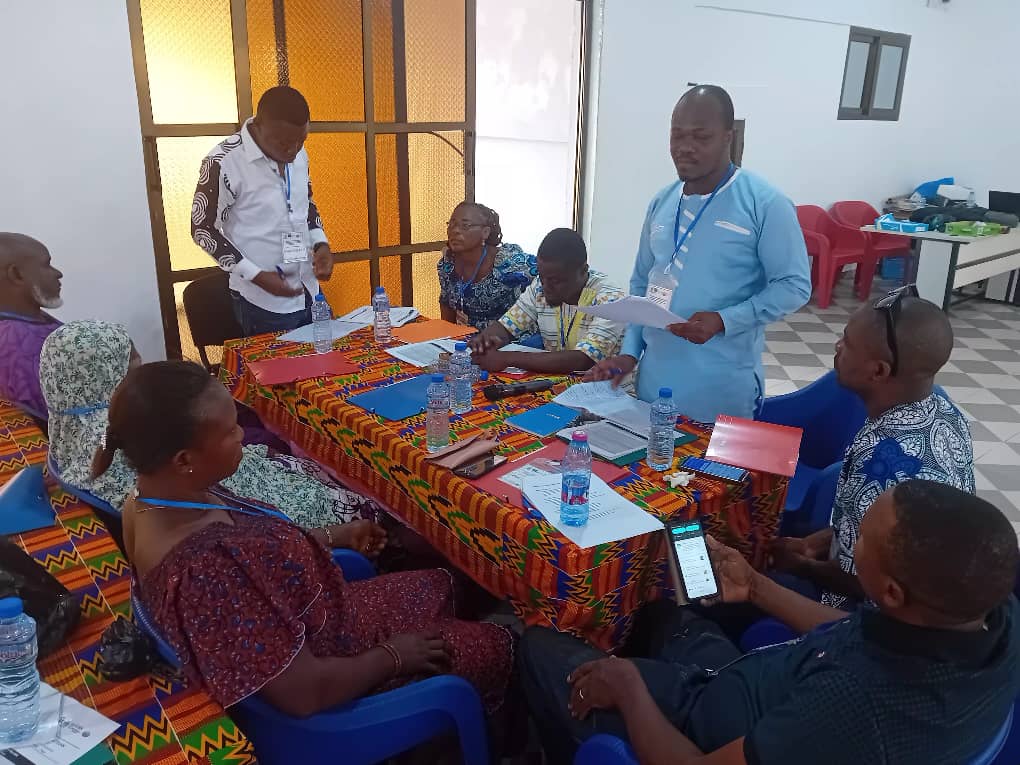
From 19 to 22 May 2026, the EMPOWER project is organising two participatory workshops on non-communicable diseases (NCDs) in the Avé District, Togo. These workshops are part of the preparatory activities aimed at developing community-based interventions tailored to local needs and realities.
Led by Prof Bernard Atchrimi, Sociologist, Lomé University, the workshops provide a space for listening, dialogue and co-creation around issues related to the prevention and management of NCDs.
Bringing together diverse stakeholders around a common goal
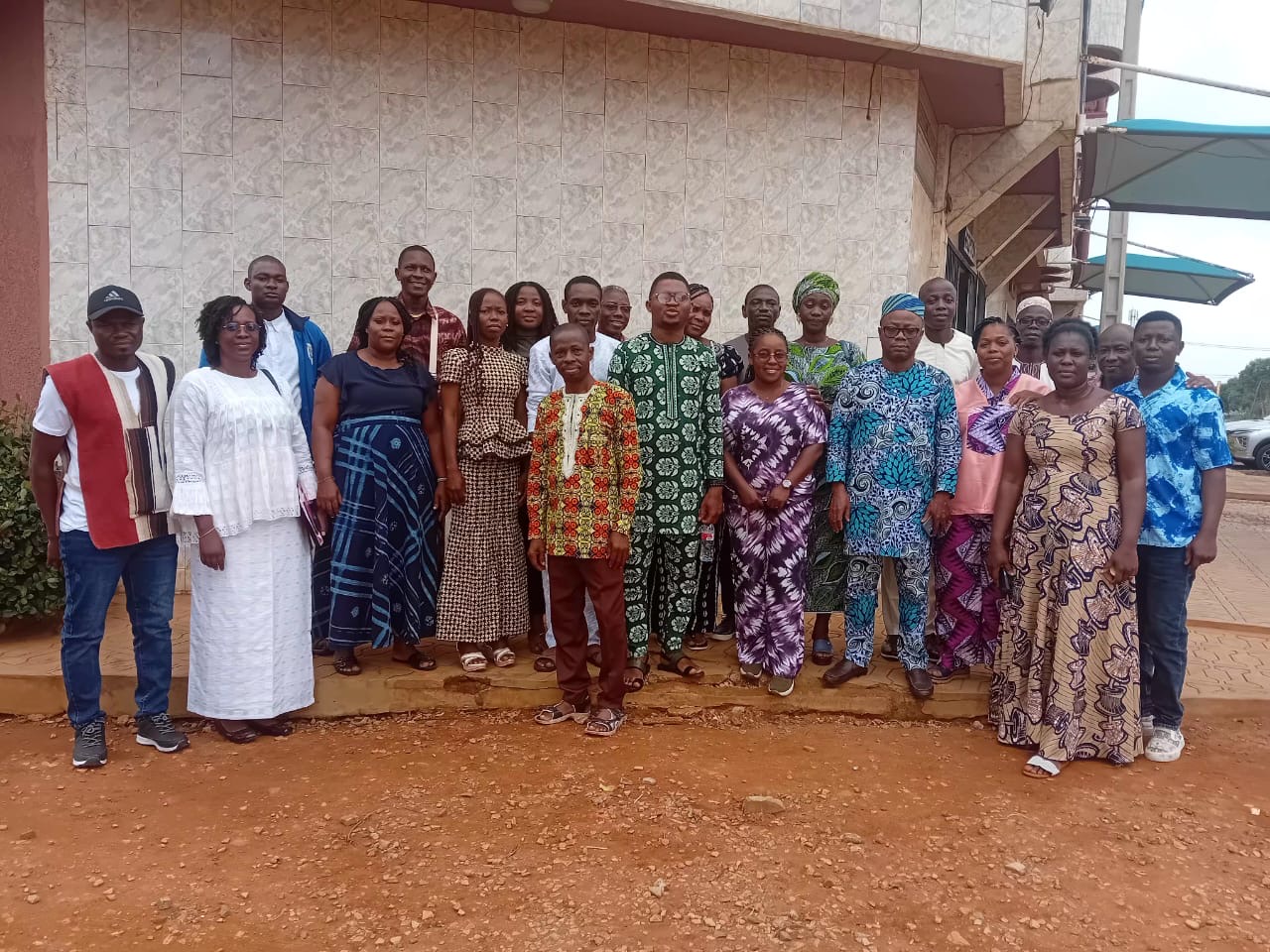
The workshops bring together a broad range of stakeholders, including people living with NCDs, caregivers, community health workers, healthcare professionals, community leaders and representatives of civil society organisations.
This diversity of perspectives helps generate a richer understanding of lived experiences, community expectations and the everyday challenges faced in accessing healthcare and adopting healthier behaviours.
Discussions focused on challenges and opportunities for action
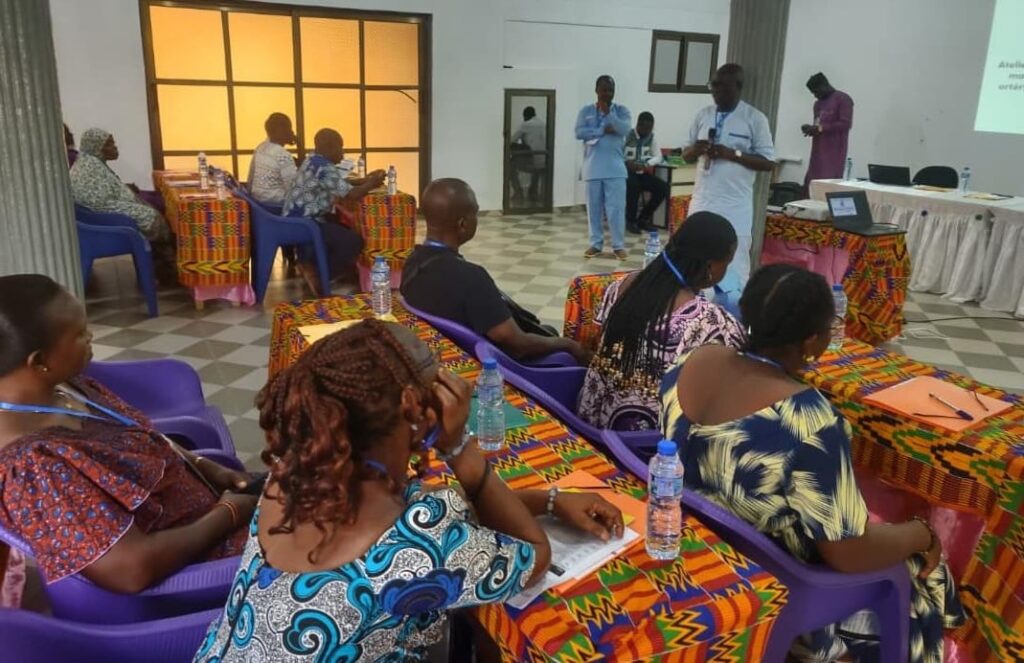
Throughout the discussions, participants explore several key themes to identify the factors influencing the prevention, early detection and management of non-communicable diseases.
Topics include:
Participants share their experiences, highlight the main barriers encountered within their communities and propose practical solutions to improve the effectiveness and acceptability of future communication activities.
Co-designing communication strategies tailored to communities
One of the main objectives of these workshops is to contribute to the design of behaviour change communication (BCC) and community-centred communication (CCC) strategies adapted to the local context.
Through this participatory approach, EMPOWER aims to support the development of messages, materials and communication channels grounded in the social, cultural and organisational realities of the intervention settings.
Community engagement at the heart of the EMPOWER approach
These workshops illustrate the importance of actively involving communities in the fight against non-communicable diseases. By giving voice to those directly concerned and to frontline actors, EMPOWER seeks to develop interventions that are more relevant, more sustainable and more likely to generate a positive impact on population health.