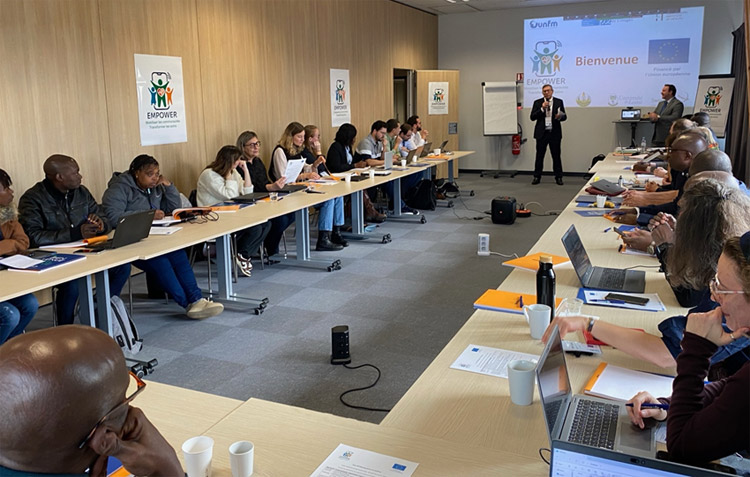
As part of the EMPOWER project, preparatory work for data collection for the contextual analysis was successully completed in Benin and Togo by end of January 2026. This preparatory phase is essential to ensure the scientific quality, ethical integrity, and operational robustness of data collection, which will form the foundation for future community-based and digital health interventions under the project. The contextual analysis will provide valuable insights regarding the existing ecosystem in Togo and Benin for people living with non-communicable diseases and of the current digital health environment.
A Study Embedded in a Strong Ethical Framework
The protocol for EMPOWER’s contextual analysis received favourable opinions in November 2025 from all relevant ethics committees:
These approvals confirm that the study fully complies with national and European ethical standards, particularly with regard to informed consent, data confidentiality, and participant protection, including specific safeguards for vulnerable populations and individuals with limited literacy.
Tailored Training for Qualitative and Quantitative Methods
To adequately prepare field teams for the different components of the study, several training sessions were organised in January 2026.
Online training – qualitative component (15 January 2026)
An online training session was held by Louise- Amélie Hantzsche for interviewersf involved in qualitative interviews with community health workers, healthcare providers, people living with non-communicable diseases (NCDs), and caregivers.
This session covered:
In-person trainings – quantitative component
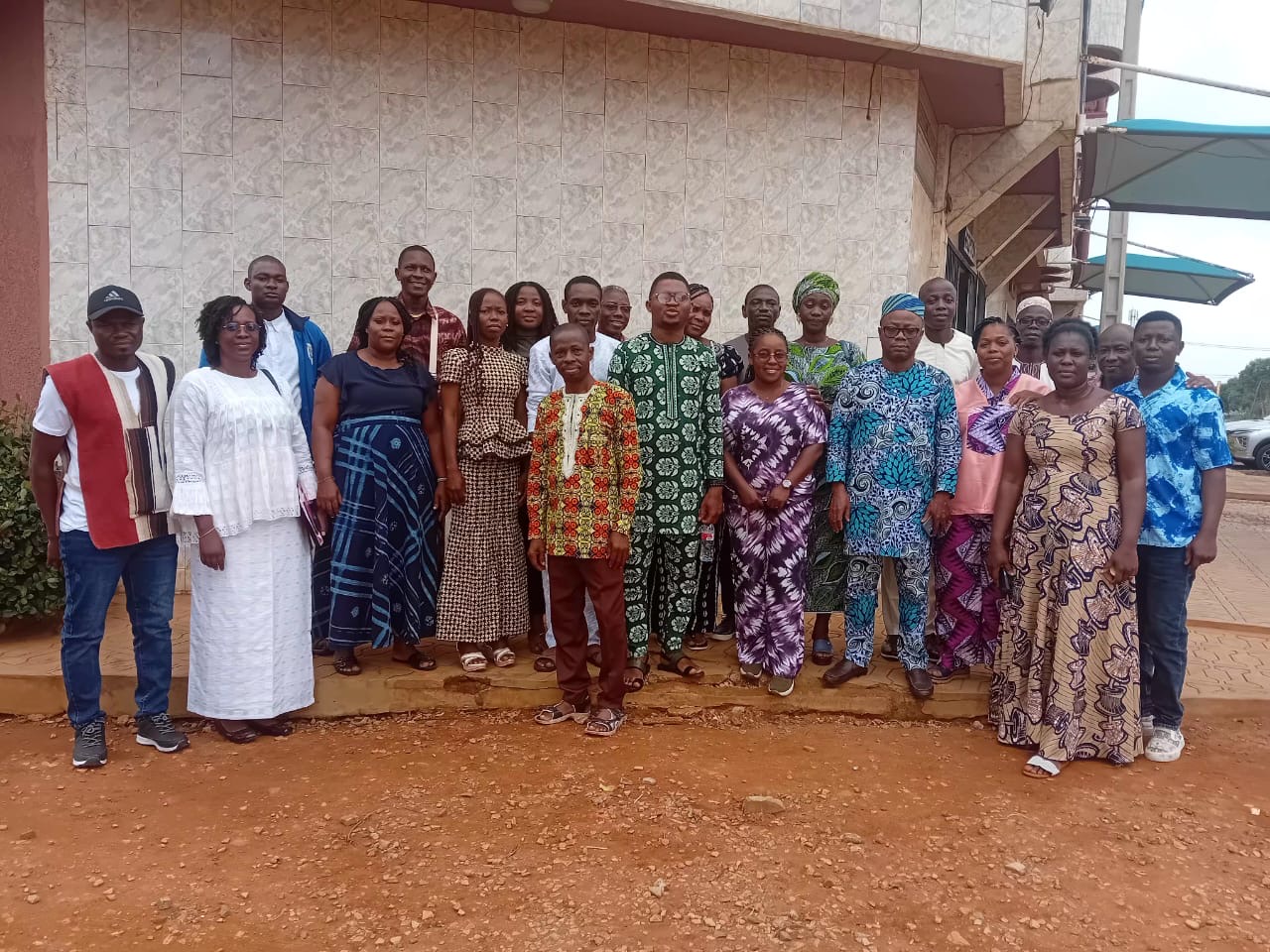
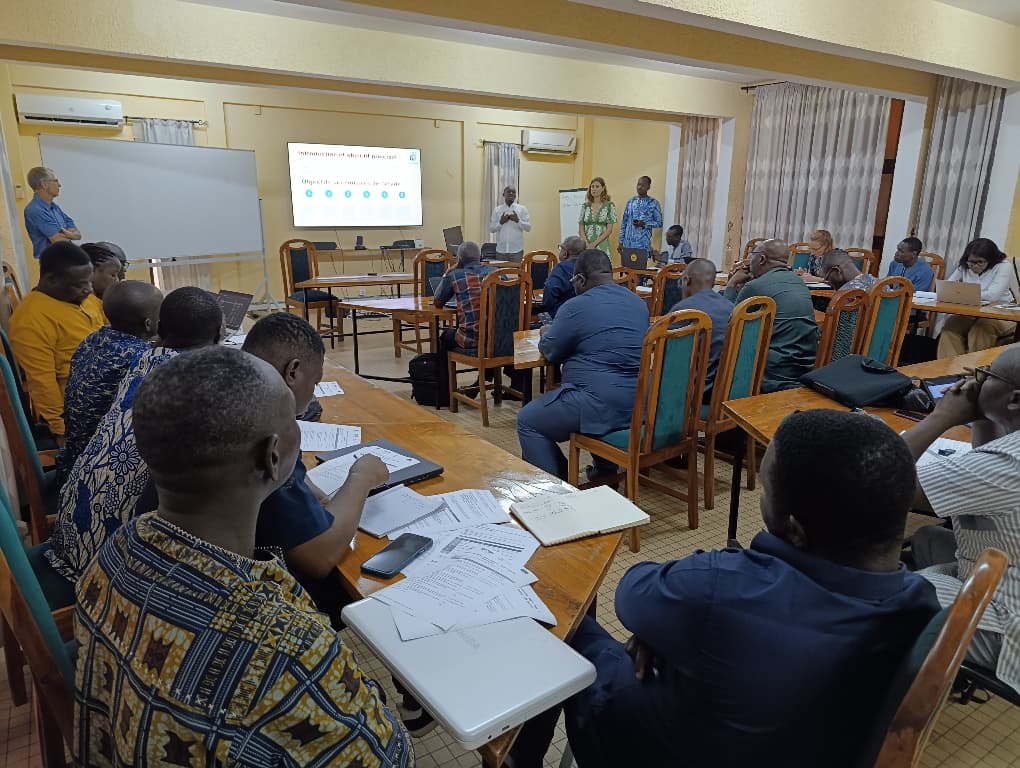
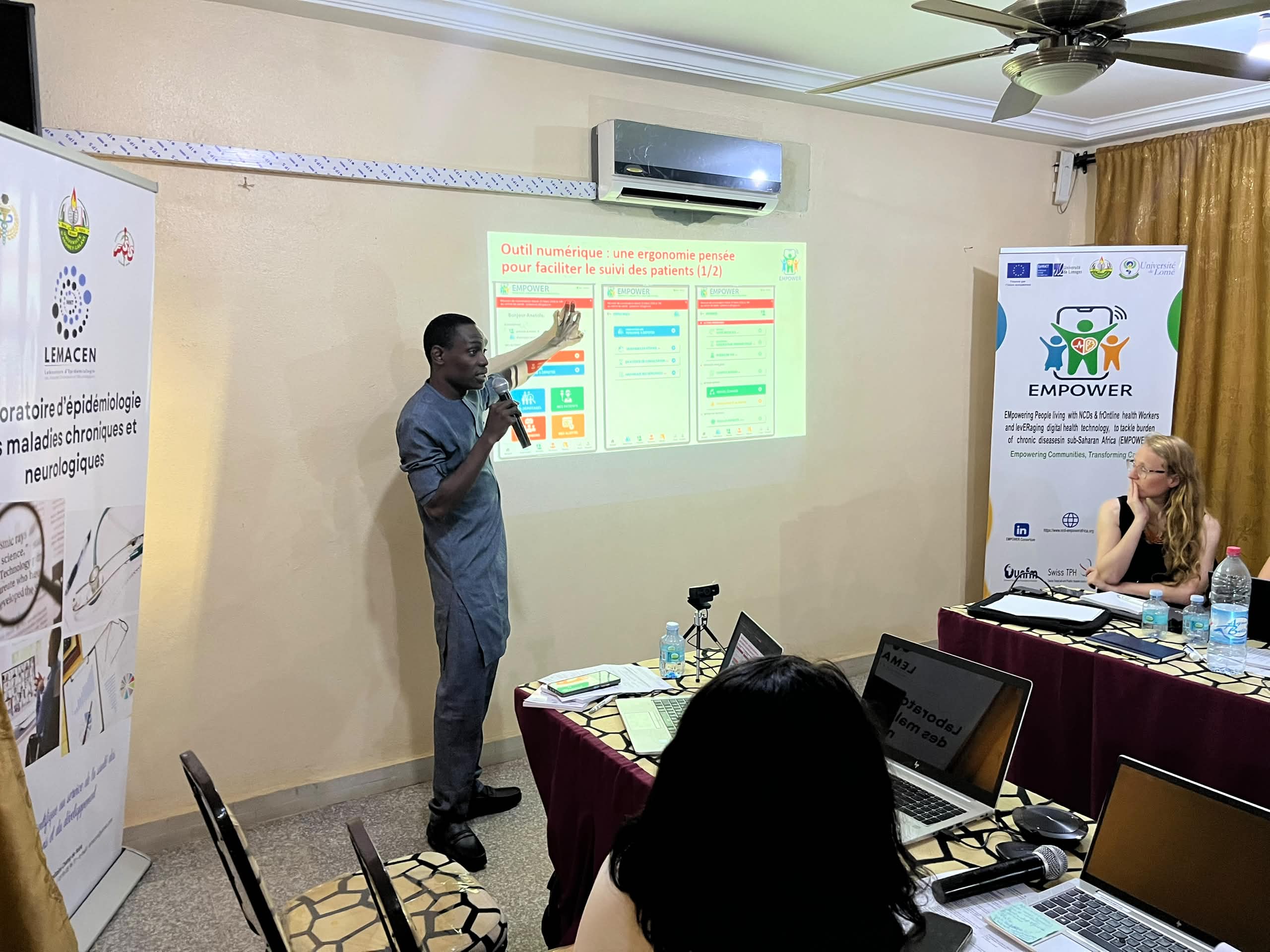
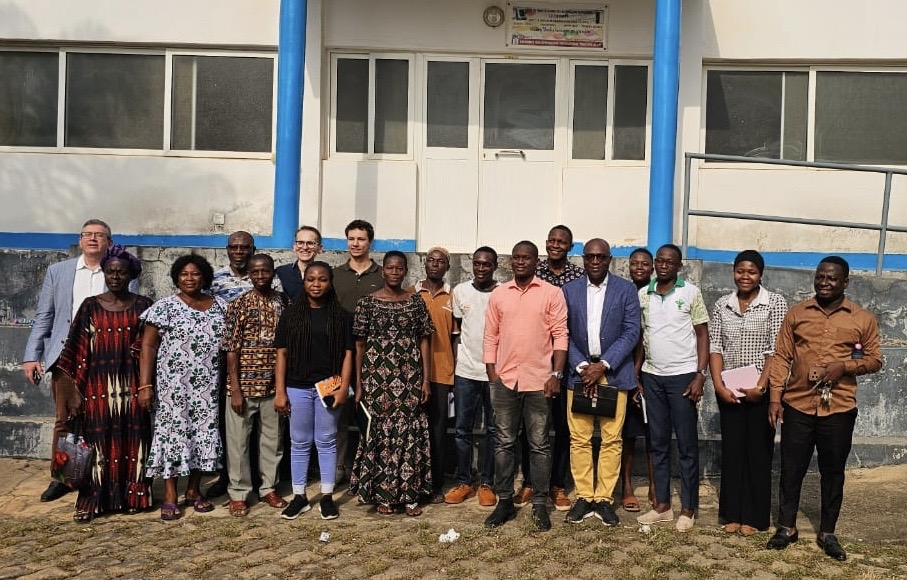
Field staff involved in quantitative surveys were trained in person by the Swiss TPH team:
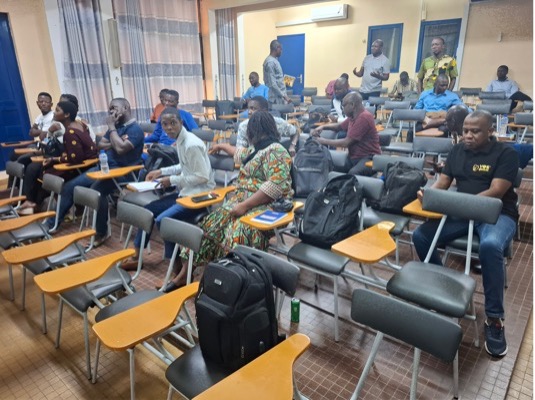
Led by Mr Richard Biaou Boni in Benin and Dr MartinTchankoni in Togo as well as Prof. Kaspar Wyss and Dr Hélène Langet, these sessions focused on:
Strengthening Local Research Capacity and Data Quality
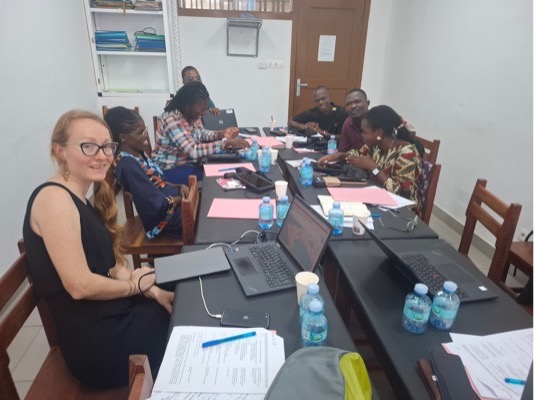
Beyond technical skills, these training activities fostered a shared research culture grounded in methodological rigour, ethical awareness, and community engagement. They fully align with EMPOWER’s objective to strengthen local capacities, ensuring that Beninese and Togolese teams play a central role throughout the research process.
Next Steps
The coming weeks will focus on:
Findings from this contextual analysis will directly inform the co-design of community-based and digital health interventions, tailored to local realities, with the ultimate goal of improving the prevention, screening, management, and follow-up of non-communicable diseases in Benin and Togo.